US and Iran clash over Hormuz as fighting escalates

Two US officials familiar with the operation said the strikes targeted Iranian air defense sites, radar systems, maritime assets, mine-laying capabilities and communications installations. US forces also destroyed several anti-ship cruise missiles during the operation.
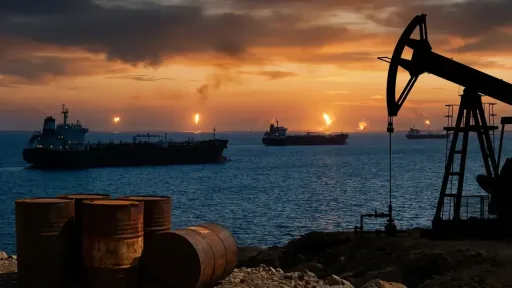
The military action came as Washington and Tehran remained locked in a dispute over control of the Strait of Hormuz, one of the world's most important routes for oil shipments.
Before the war began more than six months ago, about 20 million barrels of oil passed through the strait each day. More than 17 million barrels transited the waterway on Monday, US Energy Secretary Chris Wright told CNBC.
A US official said American forces expect further strikes near the strait in the coming days, arguing that Iranian forces have shown an ability to rapidly rebuild damaged capabilities.
Iran says more mines were laid
Iran, meanwhile, claimed Thursday that it had deployed additional naval mines in the Strait of Hormuz.
Ebrahim Zolfaghari, spokesman for Iran's Khatam al-Anbiya Central Headquarters, said mines were placed during an overnight operation along what he described as illicit routes south of the strait. He did not disclose how many mines were deployed.
Zolfaghari also mocked President Donald Trump's suggestion that the waterway could be renamed "Trump Strait," saying Washington could use Photoshop to rename the passage and to make oil tankers appear to pass through it.
The claim directly challenges US assertions that the shipping routes have been cleared. US Central Command has previously said mines had been removed from transit routes and dismissed reports of tankers striking mines as disinformation.
Trump has warned Iran against laying new mines and said the United States would pursue a "zero tolerance policy."
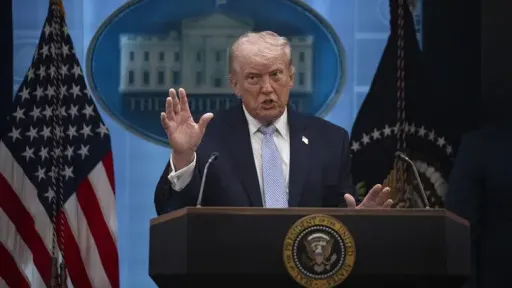
Trump said Wednesday that the United States now controls the Strait of Hormuz.
"We now control the Strait of Hormuz," Trump said, adding that Iran would receive nothing from the waterway.
He later suggested on his Truth Social platform that the strait could be renamed "Trump Strait."
Iran has rejected Washington's claims of control, while the Islamic Revolutionary Guard Corps Navy has accused the United States of manipulating oil markets and concealing military setbacks.
The US has carried out mine-clearance operations and pre-emptive strikes against Iranian systems it says were preparing to deploy mines, describing the measures as necessary to restore safe maritime passage.
Trump says war is about wider security
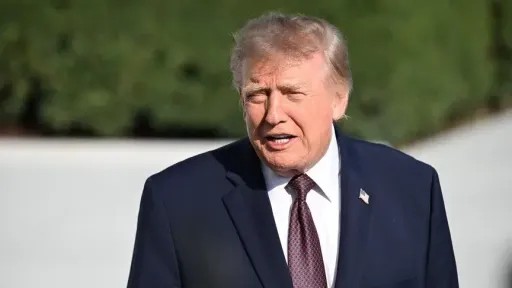
Trump also defended the US military campaign against Iran, saying Washington was acting to protect Israel, the Middle East and Western countries.
"We're doing it to help the Middle East. We're doing it to help Israel. We're doing it to help ourselves," Trump said Wednesday, warning that Iran could eventually threaten Europe and US cities if it prevailed.
He separately reassured Israelis that they should not fear the latest escalation, saying his presidency represented a guarantee of US support for Israel.
The comments came after a roughly month-long lull in fighting ended with renewed military action. The US recently struck rocket launchers on Iran's Larak Island, while Iran responded with missile attacks targeting Jordan and the United Arab Emirates.
US court blocks citizenship order
Separately, a US federal judge on Wednesday blocked the Trump administration from enforcing its latest executive order restricting birthright citizenship.
The US District Court for Maryland issued a preliminary injunction barring federal agencies from denying or failing to recognize citizenship for members of a certified class covered by the ruling.
The order applies to major agencies including the State, Justice and Homeland Security departments.
The 2026 executive order sought to expand categories of people excluded from automatic US citizenship and specifically targeted so-called birth tourism. The move followed a June Supreme Court ruling that struck down an earlier effort to end birthright citizenship and reaffirmed protections under the 14th Amendment for children born on US soil.
Source:AA