Trump delayed Iran strike over Hajj concerns, report says

Citing two senior Gulf officials and a senior US official familiar with internal discussions, the report said Trump was advised that an attack during Hajj could leave hundreds of thousands of pilgrims stranded and disrupt regional air travel networks centered in Saudi Arabia, Qatar and the United Arab Emirates.
Officials also warned that military action during the holy period leading up to Eid al-Adha would deepen anti-US sentiment across the Muslim world and create serious logistical challenges for Saudi Arabia, which hosts around one million foreign pilgrims annually.
A senior US official confirmed that internal discussions had focused on the potential “reputational damage” of resuming the conflict during Hajj.
Trump says negotiations in ‘Final stages’
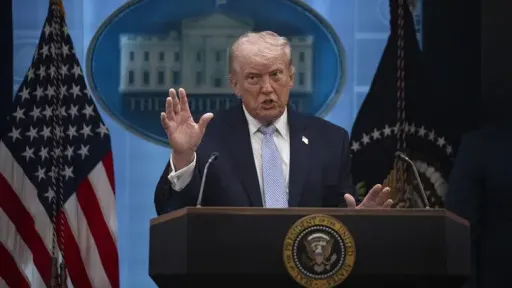
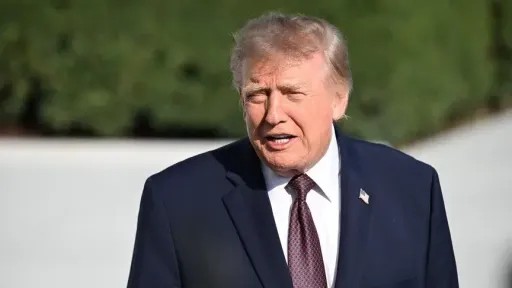
Trump said this week that negotiations with Iran were in their “final stages” but stressed that Washington would not ease sanctions before a final agreement was signed.
“I’m not doing any relief until they sign an agreement,” Trump told reporters at Joint Base Andrews on Wednesday.
On his Truth Social platform, Trump said Qatar’s Emir Sheikh Tamim bin Hamad Al Thani, Saudi Crown Prince Mohammed bin Salman and UAE President Sheikh Mohamed bin Zayed had urged him to postpone military action, expressing confidence that a diplomatic deal could still be reached.
Addressing Coast Guard Academy graduates later Wednesday, Trump said the US was prepared to escalate military pressure if necessary.
“We may have to hit them even harder, but maybe not,” he said, reiterating that Washington would not allow Iran to obtain a nuclear weapon.
Saudi Arabia pushes for diplomatic breakthrough
Saudi Foreign Minister Prince Faisal bin Farhan welcomed Trump’s decision to continue diplomacy and urged Tehran to respond quickly to ongoing negotiations.
“Saudi Arabia looks forward to Iran seizing the opportunity to avoid the dangerous implications of escalation,” bin Farhan said in a statement, while also praising Pakistan’s mediation efforts.
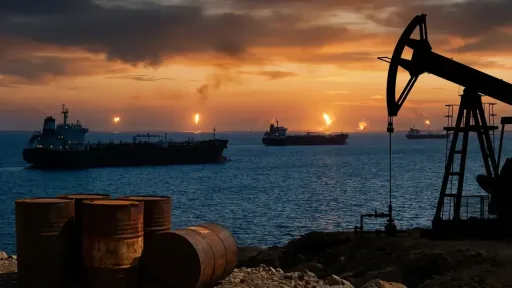
Riyadh additionally called for the restoration of normal navigation through the Strait of Hormuz, a key global energy shipping route affected by months of regional tensions.
Ceasefire holds amid fragile negotiations
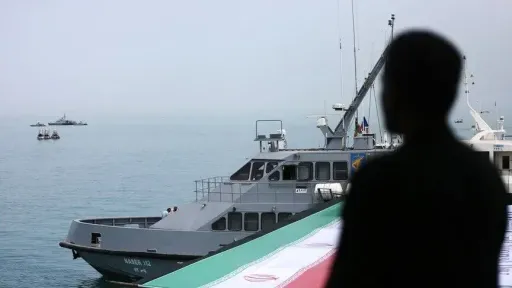
Regional tensions have remained elevated since US and Israeli strikes on Iran in February prompted retaliatory attacks by Tehran against Israel and US allies in the Gulf, along with the closure of the Strait of Hormuz.
A Pakistan-mediated ceasefire took effect on April 8, though talks held afterward in Islamabad failed to secure a permanent settlement. Trump later extended the truce indefinitely while maintaining a blockade on vessels linked to Iranian ports through the strategic waterway.
Source:turkiyetoday