Parliamentary intervention on the 2026 state budget

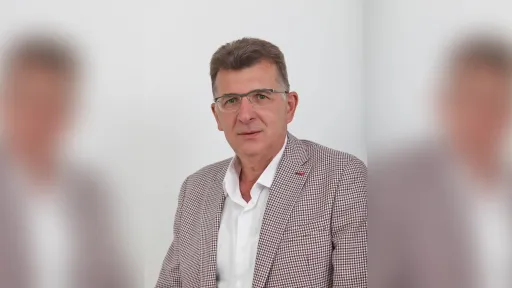
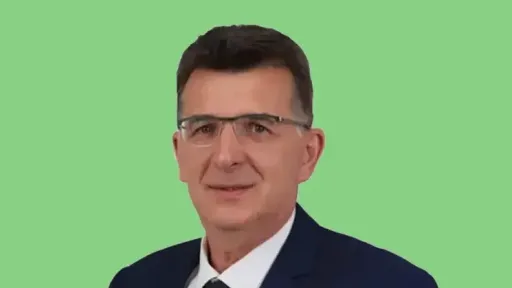
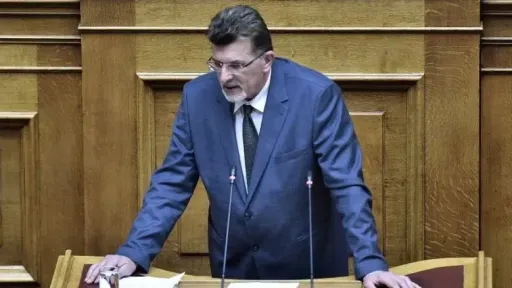
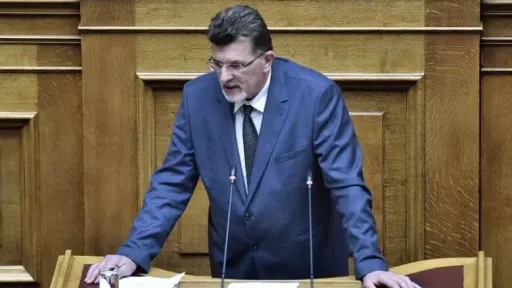
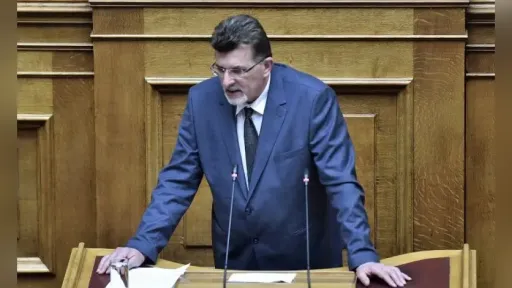
Independent MP for İskeçe, Burhan Baran, addressed the Hellenic Parliament during the debate on the 2026 State Budget, highlighting what he described as a growing gap between government announcements and the everyday reality faced by the people of İskeçe and Thrace.
“The good state is not the one that creates the rich and the poor, but the one that ensures equality and justice for all,” Baran said at the beginning of his speech.
Baran stressed that the parliamentary vote was not merely about approving figures on paper, but about deciding the country’s future. “Every euro we allocate will either prepare Greece for the new technological era or leave us once again unprepared,” he noted.
Speaking as the representative of a region where thousands of families depend on small-scale agriculture, local small and medium-sized enterprises, and the hopes of younger generations, Baran emphasized the need to examine how new technologies could contribute to regional development and recovery. He underlined that artificial intelligence and robotics are no longer abstract concepts, but realities already transforming daily life, the economy, and employment opportunities.
Citing OECD data, Baran noted that approximately 28% of jobs in member countries are at high risk of automation, while generative artificial intelligence is reshaping creative, administrative, and analytical roles. This, he argued, highlights the need for national preparedness based on practical implementation rather than theory.
Gap Between Policy and Reality in Thrace
Baran pointed out that this technological transition is not unfolding evenly across the country. In Thrace, and particularly in İskeçe, he said, the industrial zone is in decline, young people are leaving in search of opportunities elsewhere, and small businesses are struggling with high energy costs and limited access to financing.
He also drew attention to the dire situation faced by farmers and livestock breeders, describing the outbreak of sheep pox as not merely a veterinary issue, but a “life-shattering catastrophe.” Baran criticized the state response as slow, bureaucratic, and inadequate.
At the same time, he said, rising living costs continue to hit the middle class, small business owners, farmers, and pensioners. “Price increases are not statistical indicators in a report; they are the daily fear that wages will not last, the dilemma of ‘paying the bill or buying heating fuel,’ and production costs that push small businesses to the edge of survival,” he stated, describing the situation as “political abandonment.”
Budget Fails to Address Core Needs
According to Baran, the 2026 budget fails to provide answers on curbing prices, supporting household incomes, strengthening small and medium-sized enterprises, upgrading the regions, and supporting the primary sector. “It presents numbers but fails to see people,” he said, adding that genuine development cannot exist in a society that feels left behind.
Opportunities and Challenges of Technological Change
Baran acknowledged that technological developments also present significant opportunities, particularly in the primary sector. New professions are emerging in precision agriculture, drone usage, data management, and smart equipment support. However, he warned that many small producers still lack access to basic sensors, management software, and adequate broadband coverage, which remains below the EU average in rural areas.
He highlighted that precision agriculture could reduce water consumption by 20–30%, increase yields, and lower costs. Referring to the €180 million call for digital transformation in agriculture launching this year, Baran stressed that such funds would deliver real value only if they reached small and medium-sized producers in a timely and meaningful way, rather than benefiting a limited number of large recipients.
Education, Inclusion, and Regional Development
Baran emphasized that the challenge extends beyond agriculture to tourism, trade, transport, and public administration, calling for a comprehensive, bold, and fair national strategy. He also stressed the need for deep reforms in education, warning that academic departments and degrees based on repetitive skills risk devaluation if students are not equipped with modern competencies.
“No transition can be considered fair if it leaves behind workers over 45, small farmers, and regional SMEs,” Baran said. He called for transitional income support, a national reskilling framework, cybersecurity for schools, municipalities, and businesses, digital guidance, and simplified procedures, warning that Greece cannot afford a second “lost generation.”
Questions to the Government
Concluding his speech, Baran posed a series of questions to the government, including:
- How will the National Artificial Intelligence Strategy be implemented in the regions?
- How will Greece leverage its renewable energy advantages?
- How will the broadband gap in Thrace be closed?
- How will small farmers be supported in adopting precision agriculture tools?
- How will European funds reach the final beneficiaries?
- And most importantly, what will prevent a second wave of youth migration from regions like Thrace?
Baran concluded by calling for a social policy that empowers rather than traps citizens, offering pathways to development rather than cycles of dependency, and urged parliament to act with responsibility and vision to ensure a future in which young people choose to stay, work, and create in Greece.