Mufti of İskeçe Trampa: Protecting Ottoman cemeteries Is the Community’s natural right
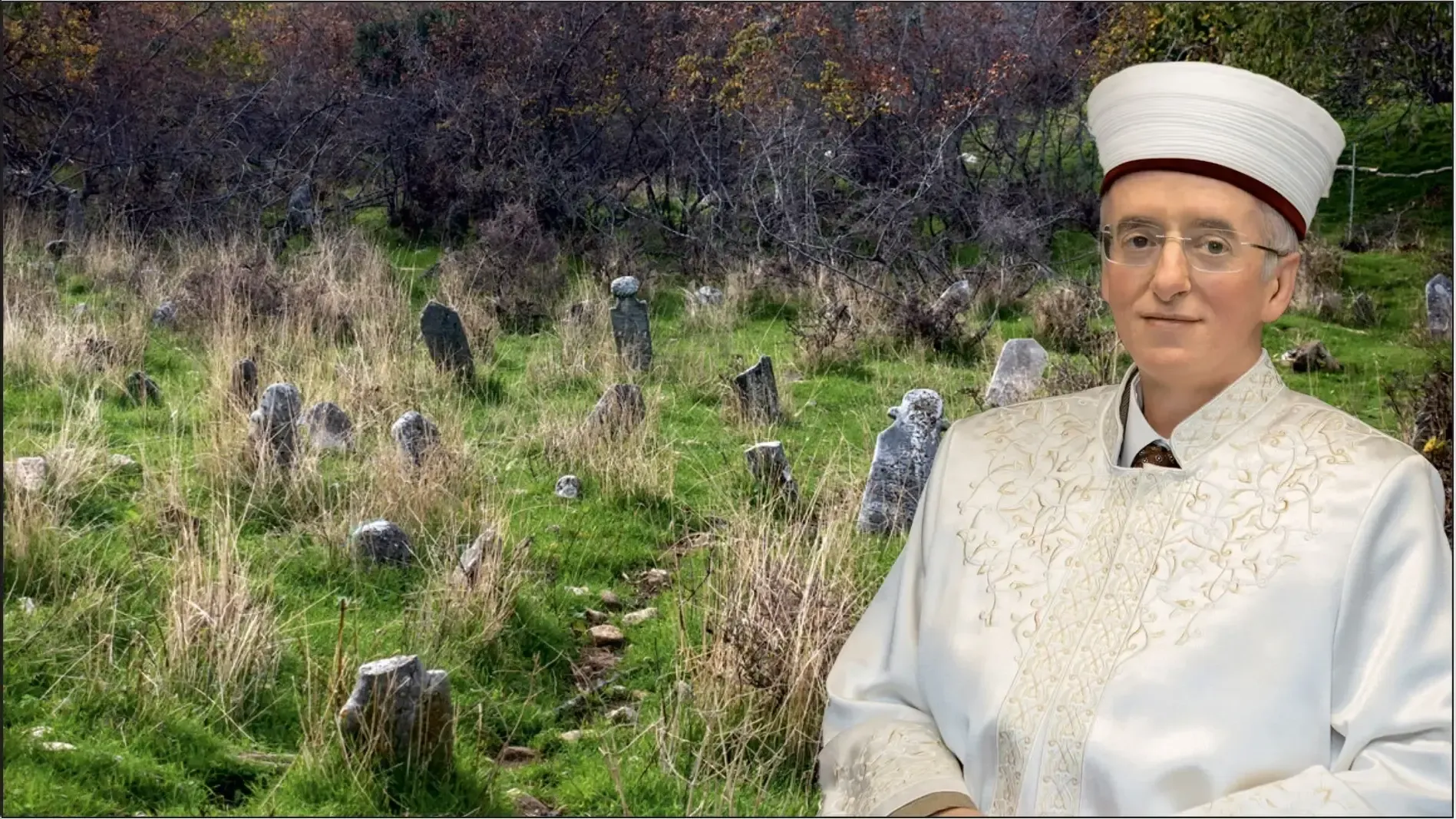
Mustafa Trampa, Mufti of İskeçe and President of the Western Thrace Turkish Minority Consultation Council, stated that protecting and cleaning Ottoman-era cemeteries in the region is the natural right and responsibility of the local community.
Speaking to Anadolu Agency, Trampa said that recent practices reflected in the press and on social media show that interventions targeting Ottoman heritage sites have taken on a new dimension.
He noted that in the past, volunteers were able to clean cemeteries located in abandoned villages without facing any obstacles. However, such initiatives have recently begun to require permission from the Archaeology Directorate.
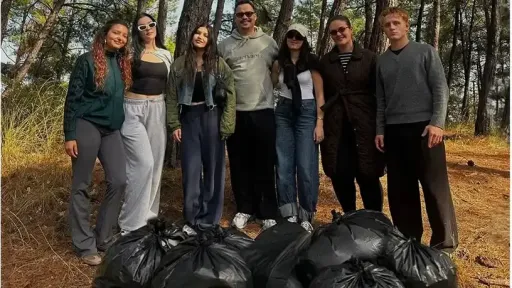
Trampa cited a recent example in Celepli, a village near İskeçe that was completely abandoned in the 1960s and is home to three Ottoman-era cemeteries. About a year ago, a group of volunteers cleaned one of these cemeteries, uncovering several tombstones buried beneath the soil and clearing away bushes and wild vegetation.
Ottoman heritage damaged largely by treasure hunters
Trampa explained that after images of the cleaning efforts were shared on social media, the Xanthi Archaeology Directorate declared the area a historical cemetery and stated that no intervention could be carried out without permission. He added that they were informed a volunteer who joined the cleaning effort would be asked to give a statement in response to a complaint.
He stressed that many Ottoman monuments in Western Thrace had been damaged over the years—primarily by treasure hunters—and that some cemeteries had entirely disappeared. Despite this, virtually no protection measures had been taken in the past.
Pointing out that some villages are so remote they cannot even be reached by vehicle and that only a few gravestones remain in certain locations, Trampa said that making such basic cleaning activities subject to approval has sparked controversy. “What we see here is not destruction, but an effort to preserve historical heritage,” he emphasized.
“This is Western Thrace. We are used to such things,” Trampa remarked, underlining that the community would continue to protect its heritage despite the obstacles.
He also criticized what he called a double standard, noting that although many Ottoman-era structures in and around İskeçe are in danger of collapsing, the Archaeology Directorate has so far taken no initiative to preserve them.