Elected muftis in Western Thrace say legal changes have rendered Mufti institution ineffective

Elected muftis in Western Thrace have warned that a series of legal regulations and administrative practices implemented by the Greek state have effectively rendered the mufti institution dysfunctional, undermining the religious autonomy of the Turkish Muslim minority in the region.
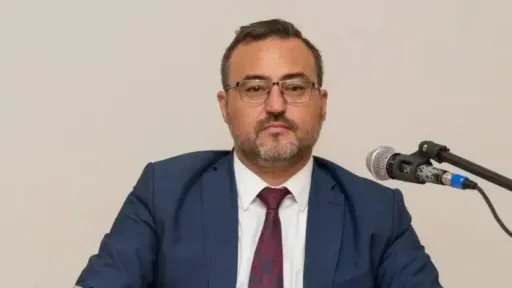
Speaking to Anadolu Agency, Ibrahim Serif, the elected Mufti of Gümülcine, stated that the mufti institution—long regarded as a symbol of the religious autonomy of the Western Thrace Turkish Minority—has been transformed into a mere state office through systematic state intervention.
Historical and Legal Foundations
Serif recalled that the legal basis of the mufti institution dates back to the 1913 Treaty of Athens, signed after the Balkan Wars. Under this international agreement, the Muslim Turkish minority in Western Thrace was granted religious autonomy, including the right to elect its muftis from among adult members of the minority. Muftis were also vested with broad authority over matters such as marriage, divorce, and inheritance.
He noted that until 1949, candidates chosen by the minority were appointed with the approval of the regional governor, but this structure was gradually dismantled over time.
Gradual Erosion of Minority Rights
According to Serif, minority rights have faced severe restrictions since 1985, with muftis being appointed without consultation with the minority community and their powers being systematically curtailed.
He emphasized that muftis’ authority over inheritance law was abolished in 2017, while further legal amendments in 2022 effectively turned the mufti institution into a state-controlled entity. Serif also criticized the recent appointment of a mufti in Didymoteicho, who took an oath in Athens “like a civil servant,” describing it as a clear indication that minority will and autonomy are being disregarded.
“As things stand today, muftis have been reduced to symbolic figures who merely attend official ceremonies,” Serif said.
“Religious Autonomy Is Being Undermined”
Mustafa Trampa, President of the Advisory Board of the Western Thrace Turkish Minority and elected Mufti of İskeçe, echoed these concerns. He stressed that the appointment of a mufti in Dimetoka was misleadingly presented as a new practice, whereas it was carried out under an updated version of an older law and through a committee formed entirely by the state.
Trampa stated that the cumulative effect of these legal regulations and practices has rendered the mufti institution ineffective and has seriously damaged religious autonomy in Western Thrace.
He underlined that the Western Thrace Turkish Minority will not accept such impositions, adding that unilateral decisions that exclude the will of the minority are considered null and void in the eyes of the community.
AA