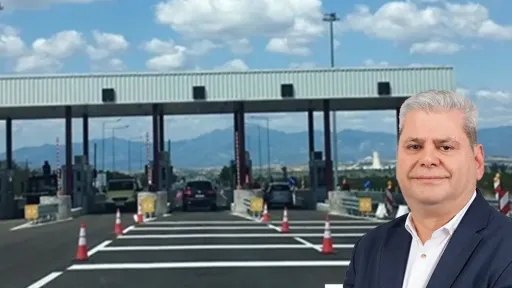
Egnatia road tolls set to surge by 2028 as discounts and exemptions are phased out
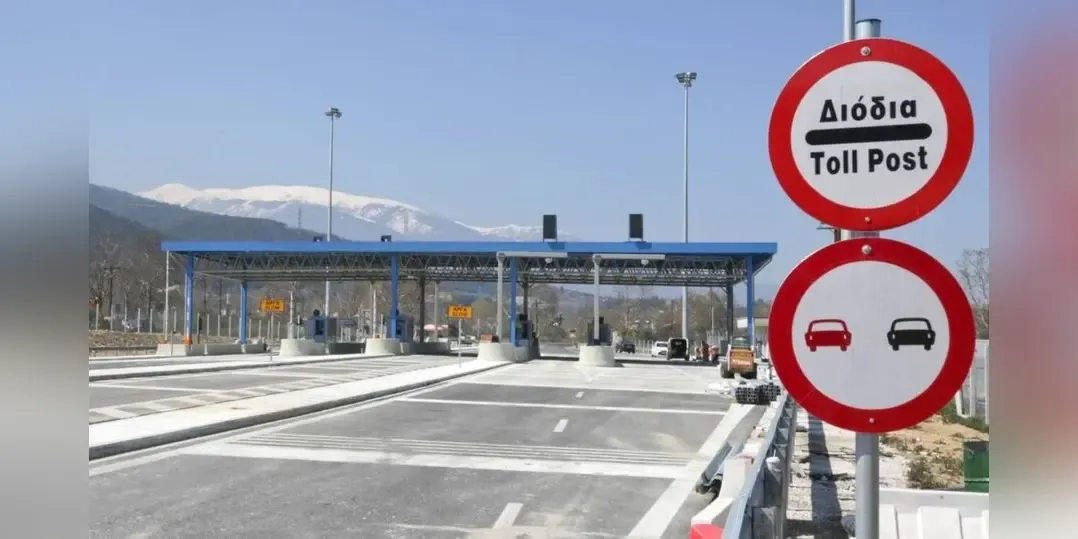
The changes are expected to have a significant impact on transportation in northern Greece and Thrace, where the Egnatia Road is a key road link connecting major cities, ports and border regions.
According to data cited by the Egnatia Road Workers’ Association, toll increases between the signing of the concession agreement and the full implementation of the new pricing system in 2028 could reach 170% at some stations.
Toll costs set to nearly triple
One example is the Tyria toll station in Ioannina. Before the concession, motorists paid €2.10 to pass through the station. The charge increased to €2.70 following the signing of the concession agreement and reached €3.35 after the concession began.
By 2028, the toll is expected to reach €5.45, more than double the rate in effect before the concession.
The increase is even more significant when the entire motorway is considered. A passenger vehicle that paid €19.30 to travel the full length of the Egnatia Road before 2023 is expected to pay €52.20 in 2028.
For trucks and buses, the corresponding cost is projected to rise from €67.50 to €183.80.
After 2028, toll rates are also expected to be adjusted annually in line with the Consumer Price Index, meaning charges could continue to rise.
Discounts and exemptions to end
The new system will also affect several existing toll exemptions and discount schemes.
According to the report, discount programs for frequent users and e-pass customers are being phased out, while free toll passages for unemployed people will also be discontinued.
Exemptions currently available to around 80,000 residents of border areas are also expected to end. These exemptions are reportedly due to remain in place until the end of 2027 before being abolished.
The changes could have a particularly strong impact on communities in northern Greece and border areas, where residents and businesses rely heavily on the Egnatia Road for regular travel.
New toll station expected to increase costs
The report also points to the planned operation of a new toll station at Platanos in Imathia, which is expected to further increase travel costs across northern Greece.
At the same time, the new toll structure is projected to significantly increase concessionaire revenues. According to figures cited in the report, annual revenues could exceed €250 million from 2028, compared with maximum annual revenues of around €90 million when the Egnatia Road was under public management.
The changes are expected to affect both private motorists and transport companies, particularly in regions where the motorway serves as the main connection to Selanik, Western Macedonia and the ports of northern Greece.
Egnatia Road toll changes at a glance
- Before 2023
- By 2028
- Tyria toll: €2.10
- €5.45
Full Egnatia Road journey, passenger vehicle: €19.30
- €52.20
- Full journey, trucks/buses: €67.50
- €183.80
- Discounts for frequent users and e-pass
- Phased out
- Free passage for unemployed people
- Abolished
- Border-area exemptions
- End after 2027
- Maximum annual revenue: approx. €90 million
- More than €250 million projected
The planned increases are likely to intensify debate over the cost of road travel in northern Greece, particularly as the Egnatia Road remains one of the country’s most important transport corridors.