Eastern Macedonia and Thrace Region rejects opposition criticism over EU funds
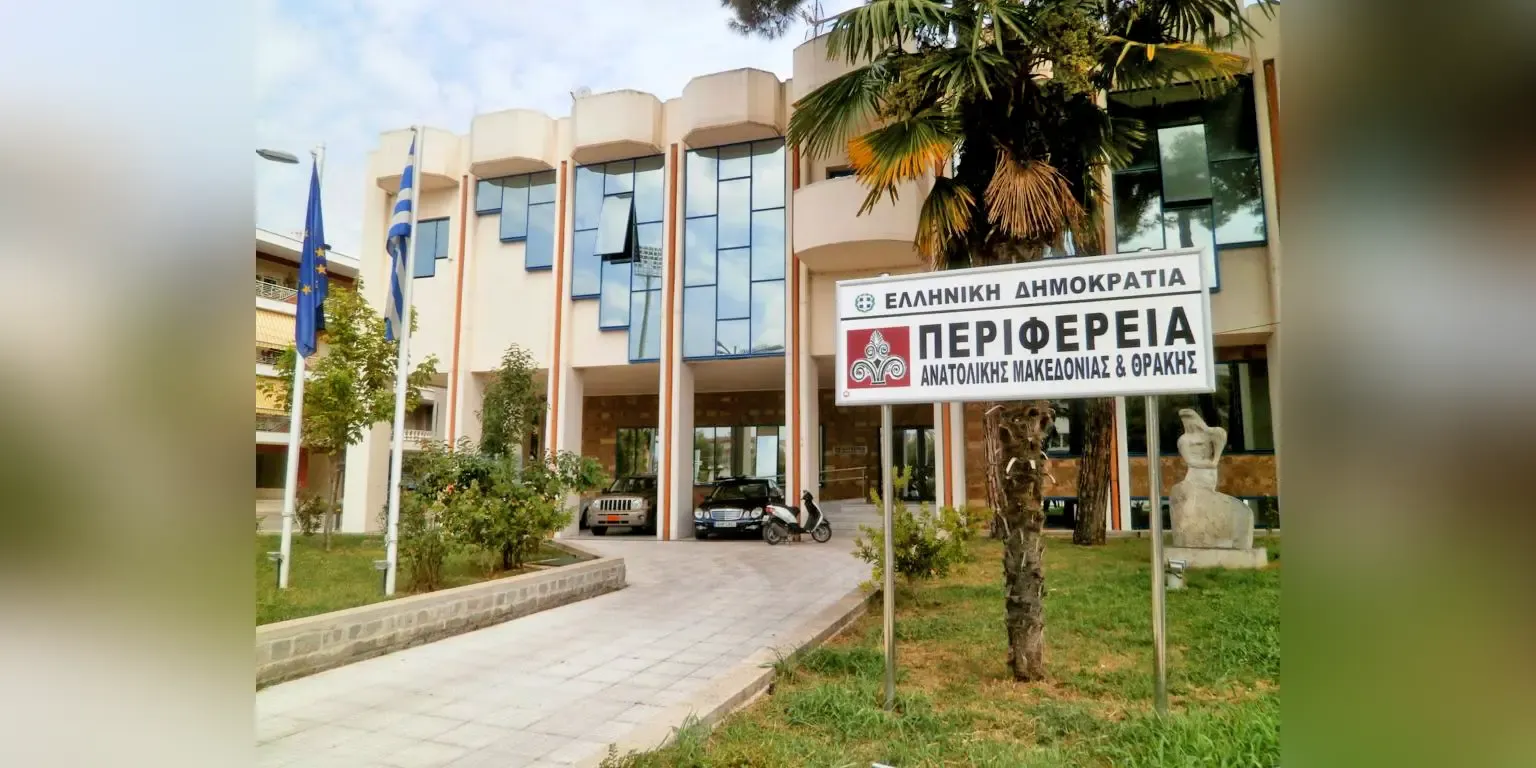
The Eastern Macedonia and Thrace Region has rejected criticism from the Independent Unifying Initiative (A.E.P.-Iliopoulou) over the management of EU funds allocated for publicity, technical assistance and oversight, arguing that the figures cited by the opposition do not reflect the purpose or scope of the expenditures.
In a statement issued on October 7, the Regional Authority said EU funds are subject to specific rules, obligations and controls and rejected claims that millions of euros allocated for publicity and technical assistance amount to unnecessary spending or self-promotion.
The response came after the opposition group criticized the allocation of funds and highlighted comparisons between spending on publicity and external auditing.
Region says €2.76 million is not simply “advertising”
The Regional Authority said the €2.76 million allocated for publicity does not constitute an advertising budget for the administration.
According to the statement, the funding covers activities including information events, public opinion research, participation in exhibitions, the development and maintenance of websites, informational material and communication through media and social networks.
The Region also said €755,000 of the amount has been allocated to the six largest municipalities in Eastern Macedonia and Thrace for publicity activities linked to Sustainable Urban Development Strategies (SΒΑΑ).
It emphasized that publicity and communication for EU co-financed projects are not optional, but form part of the bloc’s funding requirements. Failure to comply with the relevant rules can result in financial corrections and reductions in EU funding, according to the Regional Authority.
Region rejects “consultant industry” characterization
The Regional Authority also disputed criticism concerning approximately €2.5 million in technical assistance, saying the funds cover specialized support services needed for project preparation, implementation and strategic planning.
The statement listed the following allocations:
- €1.068 million to MΟD S.A. to support beneficiary municipalities in implementing development projects and actions;
- €285,000 to support municipalities in implementing Sustainable Urban Development Strategies;
- €680,000 for the monitoring and evaluation mechanism of the Regional Research and Innovation Strategy for
- Smart Specialisation (RIS3) and the Regional Scientific Council for Research and Innovation of Eastern Macedonia and Thrace;
- €500,000 for the establishment and operation of the Regional Observatory for Social Inclusion.
- The Regional Authority described these expenditures as scientific and technical support mechanisms rather than what it characterized as an “industry of consultants.”
€15,000 external audit allocation covers specialized assistance
The Region also challenged claims that only €15,000 has been allocated for project oversight and auditing.
According to the statement, monitoring and controls are primarily carried out by staff of the Managing Authority, as well as other national and European public authorities, with hundreds of checks conducted each year.
The €15,000 figure, the Regional Authority said, refers only to cases requiring highly specialized external assistance, such as the services of a certified auditor or specialist. It also said the amount covers a period of more than six years.
The Region therefore rejected a comparison between the €2.76 million publicity allocation and the €15,000 external-assistance provision, arguing that the two figures concern fundamentally different categories of expenditure.
Region disputes €500,000 travel criticism
The Regional Authority also addressed criticism concerning €500,000 allocated for travel.
It said the amount is not an annual expenditure and covers the entire programming period of more than seven years. According to the statement, the funds primarily cover official travel by staff of the Managing Authority responsible for monitoring projects, conducting inspections and working with beneficiaries across the region.
A smaller portion is allocated to travel elsewhere in Greece and, in rare cases, abroad when cooperation with national or European authorities is required.
The Regional Authority argued that describing these expenses as “€500,000 in trips funded by European money” misrepresents the purpose of the allocation and disregards the work of the administrative and technical staff responsible for overseeing EU programs.
Region rejects “184 to 1” comparison
The Regional Authority also rejected what it described as the opposition’s “184 to 1” comparison between publicity spending and external auditing.
It argued that the €2.76 million publicity allocation covers a broad range of information and communication activities for the entire program and its beneficiaries, while the €15,000 allocation concerns exceptional cases requiring specialized external assistance in addition to the regular controls conducted by public authorities.
The Regional Authority said presenting isolated figures without explaining their purpose, beneficiaries, regulatory obligations and implementation procedures can create a misleading picture of EU spending.
It concluded that it would continue to use available European funding for development in Eastern Macedonia and Thrace and said it would respond to what it considers inaccurate claims with supporting data and documentation.