18th Semadirek Journalism Conference discusses challenges in the industry, artificial intelligence, and media relations

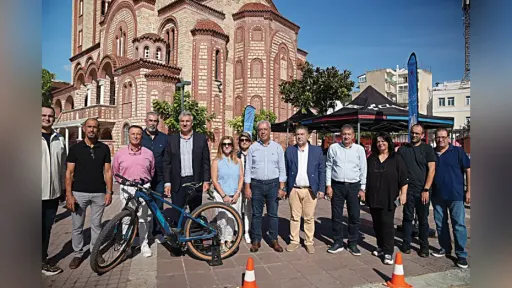
After a two-year hiatus, the conference took place from October 18 to 20, 2024, bringing together prominent figures in the media world to discuss current developments. Key topics included the effects of AI on journalism, working conditions in the media sector, and the changes brought about by digital transformation. The conference aimed to highlight industry issues while proposing solutions for the future.
Challenges of AI and Digitalization
The opening session was moderated by ESIEA President Maria Antoniadou and Vice President Giorgos Gavalas. It began with a moment of silence for 70 journalists who lost their lives in 2024. Antoniadou noted the increasing role of AI in the media sector and its impact on journalists' working conditions. Theodoros Roussopoulos discussed AI's potential to combat fake news, emphasizing the need for reliable verification tools. He also called for regulation of digital technologies to align with human rights and democracy.
Working Conditions and Union Struggles
Nikos Karras, President of the Macedonia-Thrace Editors Union (ESIEMTH), highlighted the importance of strengthening regional media and implementing collective bargaining agreements. He pointed out the serious economic challenges the media sector faces, noting that there used to be four daily newspapers in Thessaloniki, but now there are none. Sotiris Kellas, President of ETAS, addressed income inequalities among journalists, emphasizing the need to increase media revenue to support journalism funds and improve working conditions.
Media Regulations and Professional Ethics
Dimitris Galamatis, General Secretary for Communication and Information, stressed the importance of digital media regulations. He argued that the media sector must adapt to digital transformation and that innovations should be implemented in Greece under new European regulations. He asserted that signed, reliable journalism is the best response to AI challenges. Konstantinos Gioulekas, Deputy Minister of Interior for Macedonia-Thrace, underscored the need for ethical guidelines for journalists, announcing the opening of a Press Museum in Thessaloniki.
Protests and Special Statements
During the conference, residents protested outside the venue against the uncontrolled establishment of offshore wind farms, holding banners that read "Freedom Samothraki Against Wind Farms." Zoi Konstantopoulou, leader of the Plefsi Eleftherias Party, participated via Zoom, reminding attendees that journalism is a duty to society and stressing the importance of independent information.
Results and Future Steps
The presidents of ESIEA and the Panhellenic Federation of Journalist Associations (POESY) expressed gratitude to Hristodoulos Topsidis, the regional governor of North Macedonia-Thrace, and the Mayor of Semadirek. Notable attendees included ND MPs Stavros Keletsis and Hristos Dermetziopoulos. On the second day, sessions focused on the role of journalism in tourism, discussing how to make reporting in this area more effective and comprehensive.
The Semadirek Journalism Conference illuminated current issues in the media sector and proposed significant suggestions for future resolutions, emphasizing the need for concrete steps to redefine journalism's role and maintain media reliability in the age of AI and digitalization. Nejat Ahmet, a reporter for TRT and representing the Western Thrace Turkish Minority media, also attended the conference.