Meriç records severe demographic decline as deaths far outpace births in early 2026
The demographic decline in Greece’s border region of Meriç continues to deepen, with new official data revealing a sharply negative balance between births and deaths during the first quarter of 2026.
According to figures published by the Ministry of Interior, central and northern Meriç recorded 281 deaths compared to just 48 births between January and April 2026, underscoring a widening population imbalance across the region.
In the municipality of Alexandroupoli alone, 180 deaths and 141 births were recorded during the same period, highlighting a relatively less severe—but still negative—demographic trend compared to rural areas of the region.
The data also show 48 marriages and 37 divorces across Evros in the same timeframe, reflecting broader social changes alongside population decline.
Rural depopulation and aging population
Demographic experts warn that the trend is part of a long-term structural decline affecting rural Greece, driven by aging populations, youth migration to urban centers, and persistently low fertility rates.
Academic specialists in demography note that many rural municipalities in Evros now consist predominantly of elderly residents, with limited or no population renewal. In some communities, births have dropped to zero, particularly in inland municipalities such as Orestiada and Soufli, where births are administratively registered in nearby hospital centers.
Experts argue that the demographic shift began decades ago and is now reaching a critical stage, with younger generations significantly smaller than previous cohorts, further reducing the number of people entering childbearing age.
Calls for state intervention
Local stakeholders and population associations are urging stronger government incentives to address the crisis, including tax relief, housing support, and economic measures to encourage young families to remain in the region.
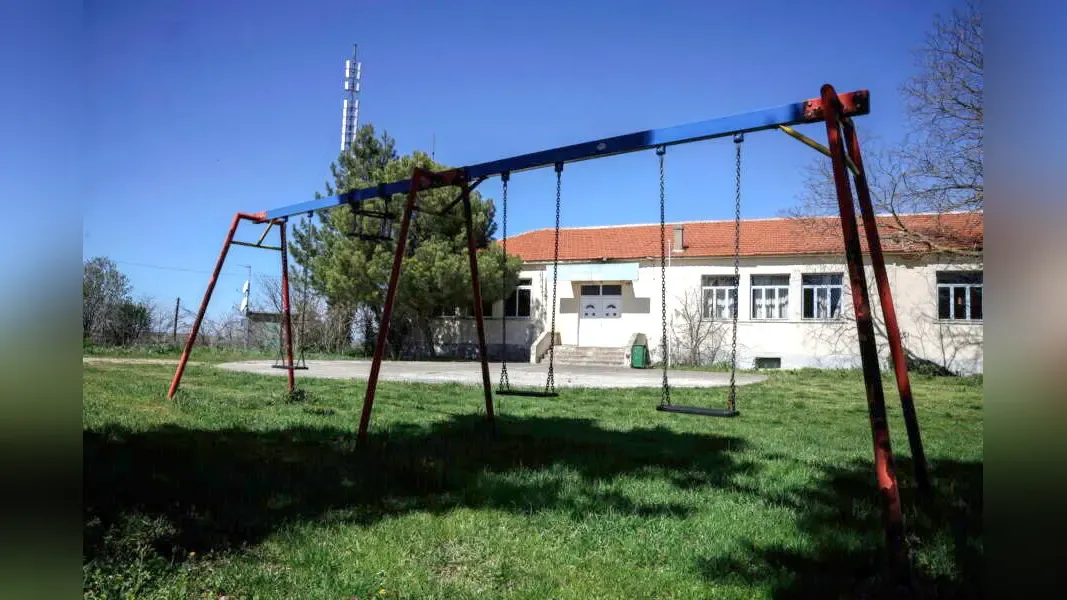
One association representative described the situation as “critical,” emphasizing that entire villages are gradually emptying and schools are operating on the brink of viability.
Structural challenges and long-term outlook
Demography scholars warn that Meriç reflects a broader national trend of rural depopulation in Greece. Structural factors such as limited employment opportunities, small-scale agriculture, and insufficient infrastructure are accelerating migration toward urban centers.
Some experts argue that the trend may be difficult to reverse, suggesting that policy focus should shift toward adaptation, sustainable regional planning, and economic restructuring rather than demographic recovery alone.
Without targeted intervention, analysts caution that parts of rural Greece risk continued population collapse over the coming decades.