Greece to continue livestock culling amid foot-and-mouth disease fears

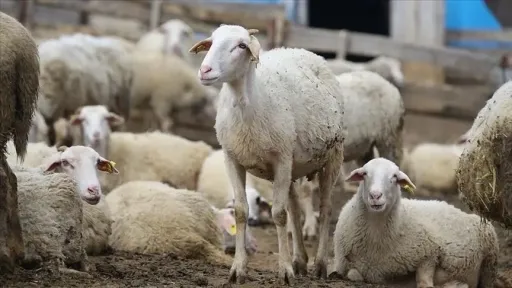
Greece will continue the mass culling of sheep and goats as part of efforts to contain the spread of Foot-and-mouth disease, a senior government official confirmed, warning that failure to act could devastate the country’s livestock sector.
Giorgos Protopsaltis, Secretary General at the Ministry of Rural Development and Food, said the measure is mandatory under European regulations and remains the cornerstone of disease eradication policy.
Strict Containment Measures on Midilli
Authorities have imposed restrictions on the movement of animal products from Lesbos, aiming to prevent the virus from entering the broader supply chain.
Protopsaltis clarified that the risk does not lie in products such as cheese themselves, but in contamination through logistics systems—including packaging, transport vehicles, pallets, and even clothing.
“The goal is to ensure the virus does not leave the island through the supply chain,” he said.
Eradication Strategy and EU Compliance
The culling policy—referred to as “eradication”—is mandated under EU veterinary frameworks and is not optional, officials stressed.
“Over the past 18 months, we have been forced to cull around 500,000 animals,” Protopsaltis said. “The culling must continue, as it is a necessary measure to prevent the further spread of a highly contagious disease.”
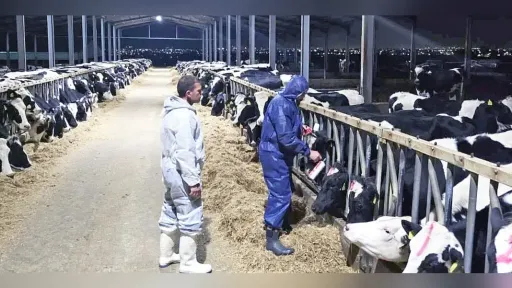
The government has also consulted countries with strict biosecurity protocols, including Australia, to develop comprehensive guidelines covering producers, dairies, and the entire supply chain.
Fears of Nationwide Impact
Officials warned that if the disease spreads from Midilli to mainland Greece, the consequences could be catastrophic.
“If the virus reaches the mainland, we will be talking about the destruction of Greek livestock farming,” Protopsaltis said.
He added that the outbreak is widely believed to have originated from neighboring Turkey, where similar cases have been reported, likely transmitted through materials or animal movement.
Vaccination and Compensation Measures
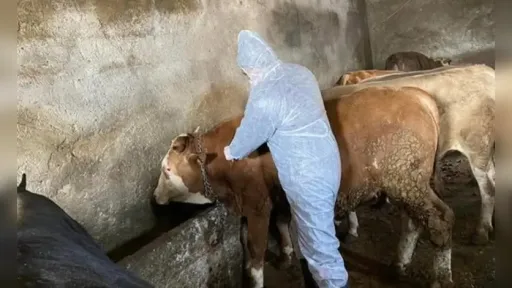
While vaccination remains under consideration, authorities emphasized it would serve only as a complementary measure and will be implemented based on scientific recommendations.
Meanwhile, a new round of compensation payments for affected farmers is expected by the end of April, with regional authorities already receiving instructions.
“Financial support must go hand in hand with strict compliance, calm, and continuous inspections,” Protopsaltis noted.
Economic and Human Toll
The measures have placed a heavy burden on farmers, both financially and psychologically.
“It is extremely difficult for livestock breeders to see their herds destroyed,” he acknowledged, adding that such steps are necessary to protect disease-free regions and ensure long-term sector stability.