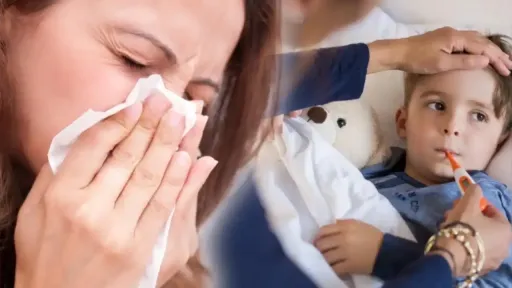
Greece issues seasonal flu vaccination guidance, urging high-risk groups to get immunised

Greece’s Panhellenic Federation of Local Government Employees (POE-OTA) has published guidance on seasonal influenza vaccination, urging people at higher risk of severe illness to get vaccinated. The recommendations cover priority groups, the preferred vaccination period and workplace prevention measures, alongside guidance on respiratory syncytial virus (RSV).
The Panhellenic Federation of Local Government Employees (POE-OTA) has issued practical guidance for the 2026–2027 flu season, highlighting vaccination as the most effective way to reduce the risk of severe influenza and related complications.
According to the guidance published on October 21, influenza circulates seasonally in Greece, with activity typically increasing in January and peaking in February and March. The federation also notes that influenza is expected to circulate alongside SARS-CoV-2, the virus that causes COVID-19.
The guidance encourages people to arrange vaccination in consultation with their occupational health physician or treating doctor, particularly those belonging to groups at increased risk of complications.
WHO SHOULD RECEIVE THE FLU VACCINE?
Annual influenza vaccination is prioritised for the following groups:
- People aged 60 and over, as well as children aged six months to five years.
- People with chronic conditions or risk factors, including respiratory or cardiovascular disease, diabetes, kidney or liver disease, immunosuppression, haemoglobin disorders, neurological conditions, Down syndrome and severe obesity.
- Pregnant women at any stage of pregnancy, as well as women who have recently given birth and those who are breastfeeding.
- Healthcare and care-sector workers, including staff in facilities serving older people and people with chronic illnesses, as well as carers of vulnerable individuals and people in close contact with infants younger than six months.
- People in closed or vulnerable communities and certain occupational groups, including veterinarians, livestock breeders, slaughterhouse workers and people with regular exposure to birds or pigs.
WHEN TO GET VACCINATED
The guidance recommends receiving the influenza vaccine preferably from mid-October through the end of November. It takes approximately two weeks for protective immunity to develop.
People who miss this period may still be vaccinated later during the influenza season, in accordance with medical advice and applicable recommendations.
For conventional influenza vaccines, the guidance states that a prior prescription is not required for adults in the recommended groups under the applicable Greek arrangements. Vaccination may also be available through pharmacies, using identification through Greece’s Social Security Registration Number (AMKA), with mandatory registration in the National Vaccination Registry.
The appropriate vaccine should be selected according to current recommendations and approved indications. Medical advice is particularly important when considering enhanced vaccines or when specific clinical circumstances apply.
RSV VACCINATION RECOMMENDATIONS
The guidance also addresses vaccination against respiratory syncytial virus (RSV), which can cause serious respiratory illness, particularly among older adults and other vulnerable groups.
A single dose is recommended under the cited adult immunisation guidance for:
- Adults aged 75 and over.
- Adults aged 60–74 with specified risk factors, including severe heart disease, chronic lung disease, advanced kidney failure, diabetes with complications, severe obesity or moderate to severe immunosuppression.
- Pregnant women aged 18 and over, using the RSVpreF vaccine (Abrysvo) between 32 weeks and 36 weeks and six days of pregnancy, where the expected delivery date falls between November 1 and March 31.
- People who have already received an RSV vaccine should consult their doctor before considering another dose. The timing and eligibility requirements should be checked against the current national immunisation recommendations.
WORKPLACE PREVENTION MEASURES
POE-OTA also highlights measures employers and workers can take to reduce the spread of respiratory infections.
Employers are encouraged to ensure adequate ventilation, maintain clean workplaces, provide hygiene facilities and help staff access medical advice and vaccination.
Workers are advised to wash their hands regularly, cover coughs and sneezes, stay home when experiencing symptoms and avoid contact with vulnerable people. Wearing a mask in crowded indoor settings may also help reduce transmission, particularly when infection risk is elevated.
The federation’s guidance refers readers to Greece’s National Adult Immunisation Programme and its 2025 update for further information on vaccination recommendations.