Greece records early flu activity as health authorities urge vaccination

Greece has reported an early rise in seasonal influenza activity, with flu positivity exceeding the 10% threshold used to signal the start of the flu season. One person died from flu-related complications and three patients with laboratory-confirmed influenza required intensive care during the week of October 5–11, according to the National Public Health Organization (EODY).
The latest figures have prompted health experts to urge older adults, people with chronic illnesses and other vulnerable groups to get vaccinated ahead of the winter season.
EODY’s weekly respiratory infection surveillance report, published on October 15, recorded the increase in influenza positivity in the community. However, flu positivity in secondary healthcare settings remained low, indicating that the rise in community infections had not yet been accompanied by a comparable increase in hospital-based positivity.
Flu season begins earlier than usual
The increase in influenza activity has emerged earlier than the typical seasonal pattern in Greece, where flu activity generally begins to rise towards late October.
Pulmonologist Nikos Tzanakis, a professor emeritus at the University of Crete’s medical school, told Greek newspaper Ta Nea that this year’s increase had appeared around 10 days earlier than usual. He suggested that a sudden drop in temperatures may have contributed to the early start, while noting that hospital admissions had not risen to the same extent.
The wider European picture remains mixed. According to the source report, the European Centre for Disease Prevention and Control (ECDC) has not recorded a similarly widespread increase across other European countries at this stage.
Experts urge vaccination before mid-November
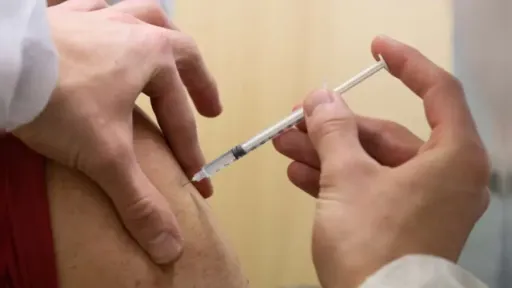
Health experts recommend getting the seasonal flu vaccine by mid-November to allow sufficient time for the body to develop an immune response. Protection generally takes around two weeks to develop following vaccination.
The period from mid-November to the end of March is traditionally considered a key period for influenza transmission in Greece.
Older adults, people with chronic medical conditions and those with weakened immune systems are among the groups urged to prioritise vaccination.
Konstantinos Daloukas, president of the Panhellenic Federation of Freelance Paediatricians, has also highlighted the importance of vaccination for children. According to the source report, experts recommend flu vaccination for children aged six months to five years, as well as children and adults in higher-risk groups.
A nasal spray flu vaccine is also available for eligible children aged two to 18. People aged 65 and over are advised to consider enhanced influenza vaccines where recommended. The nasal vaccine is not suitable for everyone, and eligibility should be assessed in accordance with medical guidance.
Greece expects 3.64 million flu vaccine doses
Greece is expected to receive approximately 3.64 million doses of influenza vaccine for the 2026–2027 season, up from 3.5 million doses in the previous season, according to the report.
The ECDC has set a target of vaccinating at least 75% of people aged 65 and over. However, the median influenza vaccination coverage among older adults in European Union and European Economic Area countries stood at 47% during the 2024–2025 season.
Public health experts continue to emphasise that improving vaccination coverage among vulnerable populations can help reduce the risk of severe illness and ease pressure on healthcare services.
Updated COVID-19 vaccines also available
Greece began administering updated COVID-19 vaccines on Monday, October 19, with appointments available through vaccination centres and the national booking platform, emvolio.gov.gr.
According to the figures cited in the report, 91 patients were admitted to public hospitals with COVID-19 during the week of October 5–11, compared with 80 in the preceding week.
For the 2026–2027 season, Greece’s National Vaccination Committee recommends updated COVID-19 vaccination particularly for people at increased risk of severe disease. These groups include adults aged 60 and over, people aged six months to 59 years with underlying medical conditions, immunocompromised individuals, pregnant women with specific risk factors and healthcare workers.
Additional doses six months after the previous vaccination are recommended for people aged 75 and over and certain immunocompromised individuals.
As the colder months approach, health authorities are urging people eligible for seasonal vaccinations to follow current public health recommendations for both influenza and COVID-19.