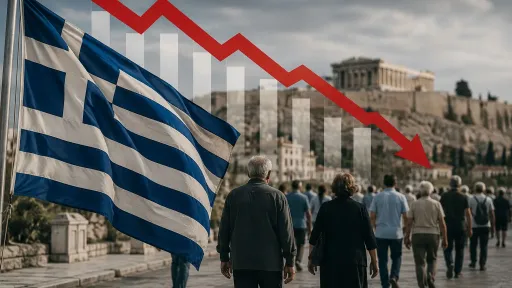
Demographic decline poses growing pressure on Greece’s economy

With just 1.24 children per woman, well below the European average, the country is not losing population mainly through higher mortality, but through a long-term shortage of young people entering the workforce.
The rapid aging of the population and shrinking labor force are creating significant strain on the economy and the social security system, according to the latest projections from Eurostat.
Greece’s population stood at around 10.37 million last year and is expected to decline further in the coming years. Forecasts suggest it could fall below 10 million by the mid-2030s and drop to around 7.2 million by 2100, making it one of the steepest projected declines in Europe.
Life expectancy in Greece remains close to the EU average at 81.8 years, but the low fertility rate of 1.24 is accelerating population aging. Across the EU, fertility stands at a historic low of 1.34.
Experts warn that the demographic imbalance—fewer workers supporting a growing number of retirees—risks creating long-term pressure on pensions, healthcare, and public finances. The rising wave of retirements is already intensifying strain on the labor market.
Analysts say the trend reflects a structural challenge requiring urgent policy action in employment, family support, and migration, as demographic pressures are expected to shape Greece’s economic outlook for decades.