Four years of Russia-Ukraine war: Key turning points in the conflict

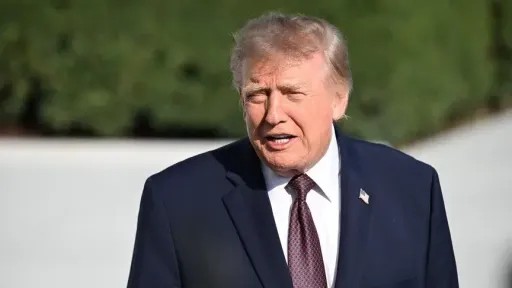
Peace talks gained momentum following the inauguration of US President Donald Trump on Jan. 20, 2025. Since then, Trump has held meetings with Ukrainian President Volodymyr Zelenskyy and Russian President Vladimir Putin, alongside European leaders. Negotiations have taken place in Istanbul, Abu Dhabi, Miami and Geneva. According to Zelenskyy, Washington has set a June deadline for a potential agreement.
Below are the major milestones that have shaped the war since it began in 2022.
Russia launches “Special military operation”
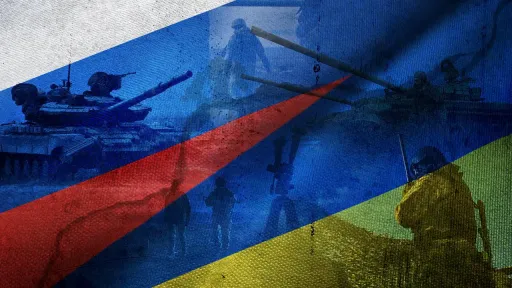
On Feb. 24, 2022, President Vladimir Putin announced a “special military operation” in Ukraine, days after recognizing the independence of the Donetsk and Luhansk regions. Russian forces advanced toward Kyiv but later withdrew from northern Ukraine in April 2022. Western nations responded with sweeping sanctions that remain in place.
Seizure of Zaporizhzhia Nuclear plant
In March 2022, Russian forces captured the Zaporizhzhia Nuclear Power Plant, Europe’s largest. Repeated shelling around the facility raised fears of a nuclear disaster. Inspectors from the International Atomic Energy Agency continue to monitor the site.
Early peace efforts and grain deal
Initial peace talks were held in Belarus, Antalya and Istanbul in early 2022, producing a draft agreement that ultimately collapsed.
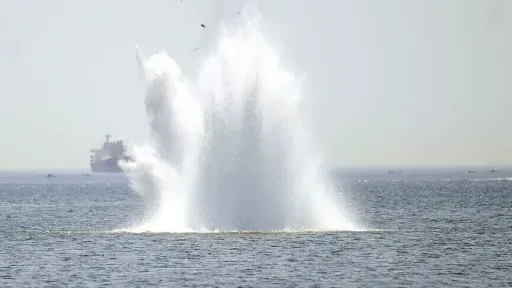
In July 2022, Türkiye, the UN, Russia and Ukraine brokered the Black Sea grain deal, allowing Ukrainian exports to resume. The agreement lasted until July 2023, when Russia withdrew.
Annexations and NATO tensions
In September 2022, Russia announced the annexation of four Ukrainian regions following referendums widely condemned as illegitimate. In response, Zelenskyy applied for fast-track NATO membership and declared the annexations invalid. Finland and Sweden later joined the alliance.
Kherson withdrawal and wagner revolt
Russia withdrew from the city of Kherson in November 2022, citing the need to protect its troops.
In June 2023, the Wagner paramilitary group staged a brief rebellion against Moscow’s military leadership. Two months later, Wagner chief Yevgeny Prigozhin died in a plane crash.
Ukraine’s EU path and drone warfare
Ukraine was granted EU candidate status in 2022, with accession talks formally opening in 2024.
The war has increasingly been defined by drone warfare. Ukraine established an Unmanned Systems Forces unit in 2024, with Russia following suit in 2025.
Fighting expands into Russian territory
In August 2024, Ukrainian forces launched an incursion into Russia’s Kursk region, capturing territory before being pushed back. Moscow later confirmed the involvement of North Korean troops in fighting there.
Renewed diplomacy in 2025
Trump’s return to office shifted US policy toward active mediation. Despite tensions — including a heated Oval Office exchange in February 2025 — Washington and Kyiv later signed a minerals agreement.
Talks resumed in Istanbul in May 2025, resulting in a major prisoner swap. Further rounds in June and July produced draft peace frameworks.
Ukraine’s “Operation Spiderweb” drone strikes on Russian airfields in mid-2025 underscored the war’s evolving tactics.
In August 2025, Trump and Putin met in Alaska, their first summit since the war began. While no formal deal was announced, both sides described the talks as constructive. Trump later hosted Zelenskyy at the White House to discuss security guarantees and potential trilateral talks.
Ongoing peace efforts
A US-proposed peace framework emerged in late 2025 but faced criticism over provisions reportedly favoring Moscow. Further US-mediated talks were held in Abu Dhabi and Geneva in early 2026, achieving limited progress, including a prisoner exchange.
As the war enters its fifth year, diplomatic efforts continue, but a comprehensive settlement remains elusive.