Nearly 1 in 5 children face online sexual abuse

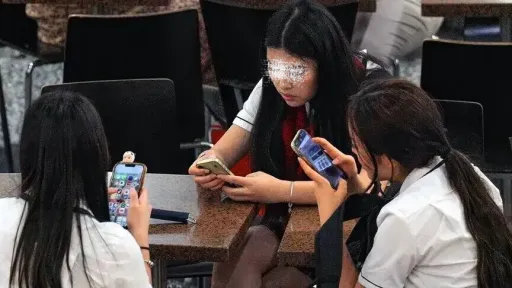
An estimated 20 million children aged 12 to 17, or nearly one in five internet-using children surveyed across 21 countries, experienced at least one form of technology-facilitated sexual exploitation or abuse in a single year, according to a new UNICEF report.
The report, Through Children’s Eyes: How Digital Technologies Enable Child Sexual Abuse, combines nationally representative survey data with testimonies from children who experienced abuse.
“More than 20 million children across the countries studied were subjected to unwanted explicit sexual content or exploitation online,” UNICEF Executive Director Catherine Russell said, warning that many children suffer in silence.
Social media accounts for most cases
More than 15 million children were exposed to unwanted sexual content, while about 9 million were pressured into sexual conversations or asked to share sexual images against their will.
Around 4 million had sexual images of themselves shared without their consent.
Nearly 60% of reported experiences occurred on mainstream social media platforms, including Facebook, Instagram, Snapchat, TikTok and WhatsApp. Online games accounted for another 14% of cases.
The report found that 57% of cases involved someone the child already knew, including peers, romantic partners, friends or family members. In 38% of cases, children first encountered the perpetrator online, where fake accounts and private messaging were among the tools used to facilitate abuse.
UNICEF said the experiences had major effects on children's emotional well-being, sense of safety and trust, with children reporting fear, shame, confusion and isolation.
Children who experienced technology-facilitated sexual exploitation were four times more likely to report suicidal thoughts or behaviors and self-harm, and also reported significantly higher levels of anxiety.
In Mexico and North Macedonia, the risk of suicidal thoughts or behaviors was more than eight times higher among children who had experienced abuse. In Pakistan, the risk of self-harm was more than seven times higher.
Most cases go unreported
More than 40% of cases were never disclosed to anyone, while fewer than 1% were reported to authorities, including police, social workers or helplines.
The most common reason for remaining silent was not knowing where to seek help or whom to tell.
UNICEF calls for stronger safeguards
UNICEF urged governments, technology companies and other stakeholders to strengthen online protections for children.
Its recommendations include stronger privacy safeguards, restrictions on unsolicited contact from adults, safer recommender systems and improved systems for detecting and reporting abuse.
The agency also called for stronger laws and enforcement, better reporting and support services, and greater assistance for families, schools and communities.
The findings are based on surveys of about 21,000 internet-using children aged 12 to 17 across 21 countries, along with in-depth interviews with 100 young people who experienced abuse during childhood.
UNICEF cautioned that the survey findings represent internet-using children and may not reflect all children, particularly in countries where internet access remains limited.
Source:AA