Drums, prayer and shared tables: Ramadan in China’s Muslim heartlands

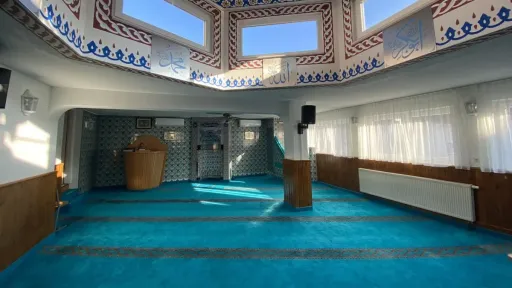
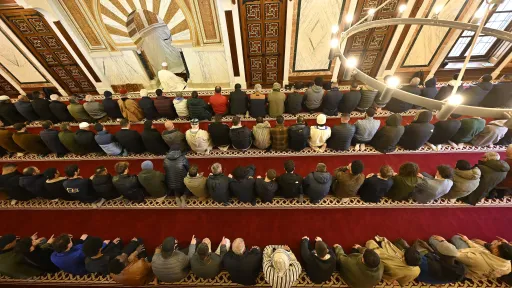
As dusk falls over Nagu town in southern China’s Yunnan province, the steady beat of traditional drums carries through narrow streets, announcing the arrival of Ramadan. Children gather beside elders, shopkeepers pause at their doors, and families make their way to the historic Najiaying Mosque — where generations have welcomed the holy month with prayer, sound and shared meals.
Just steps away, the Ramadan bazaar comes alive. The scent of grilled meats, rice noodles and sweet milk tea fills the air as residents and visitors browse seasonal delicacies. For the town’s roughly 8,000 Muslims, Ramadan is both deeply spiritual and joyfully communal — a ritual blending faith, food and fellowship.
Preparations begin days in advance. Families shop for special ingredients, buy new clothes and arrange gatherings. Across China — home to an estimated 25 million Muslims, primarily from the Hui and Uyghur communities — Ramadan traditions reflect regional cultures. In Najiaying, rice noodles and beef dishes anchor the fasting month’s table.
“This year feels different because Ramadan coincides with Chinese New Year,” said social entrepreneur Ma Erzhao Yusuf. As millions travel home for the holiday, many Muslims are breaking their fast surrounded by extended family.
The town’s Ramadan bazaar, a focal point of the season, opens days before the month begins and remains active beyond its end. Vendors serve barbecued meats, pastries and milk tea, drawing crowds from nearby cities. “It feels like a festival,” Ma said. “Very lively.”
Daily rhythms shift. Early-morning shopping becomes common, and families rise before dawn for suhoor. At sunset, they gather again. In some neighborhoods, drums once signaled the pre-dawn meal — a tradition that continues, though less frequently. In many mosques, iftar is organized collectively, reinforcing a shared spirit. A bell marks sunset, and worshippers break their fast together before evening prayers.
For historian Haiyun Ma, who grew up in Qinghai province, Ramadan is inseparable from memory. Now teaching in the United States, he recalls evenings at the mosque as the highlight of the month — families sharing dates and sweets, children receiving small treats before prayers. “It always felt collective,” he said. “You never felt alone.”
Ramadan dishes vary across China. In Qinghai, oil cakes, wheat soups and hand-held lamb are staples, while pre-dawn meals often include tea, steamed bread and simple, hearty fare. Iftar traditionally begins with sweet red dates, followed by rice or noodles, vegetables and meat dishes — comforting, warm and shared.
As the month draws to a close, preparations begin for Eid al-Fitr. Families visit elders, children receive gifts, and homes fill with guests.
For many, Ramadan’s meaning reaches beyond fasting itself.
“It is about community, generosity, food, memory and joy,” Ma said.