Global Ramadan restrictions and controversial rules around the world

🔹 China: Fasting Restrictions in Xinjiang
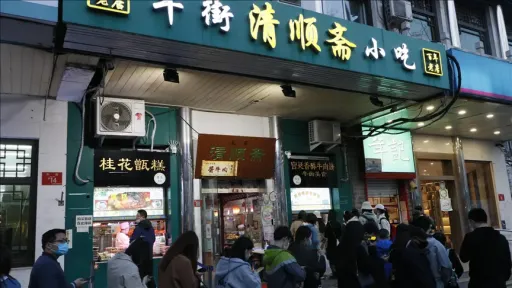
In China’s Xinjiang region, authorities have long prohibited civil servants, teachers and students from fasting during Ramadan, and restaurants are ordered to remain open during the day, restricting Muslims’ ability to observe the fast freely. These measures reflect broader limits on religious practice in the region.
🔹 Kuwait Tightens Charity Rules
In Kuwait, new regulations introduced for Ramadan 2026 ban cash donations and prohibit money collections at mosques, forcing donors to use non-cash methods with detailed reporting requirements — part of efforts to enhance transparency in charitable fundraising.
🔹 Saudi Arabia’s Iftar Restrictions
In the Kingdom of Saudi Arabia, authorities have banned promotional and advertising activities during the distribution of iftar meals at the Grand Mosque in Mecca and the Prophet’s Mosque in Medina, aiming to preserve the spiritual focus of Ramadan gatherings and ensure high standards of hygiene and organization.
🔹 Worship Access Limits in Jerusalem
Around the holy site of Al‑Aqsa Mosque, nearly 10,000 Palestinians were allowed limited access for Friday prayers under tight security restrictions, far fewer than usual, highlighting how political and security policies can affect religious practice during Ramadan.