Prolonged drought raises alarm over groundwater reserves in Thrace
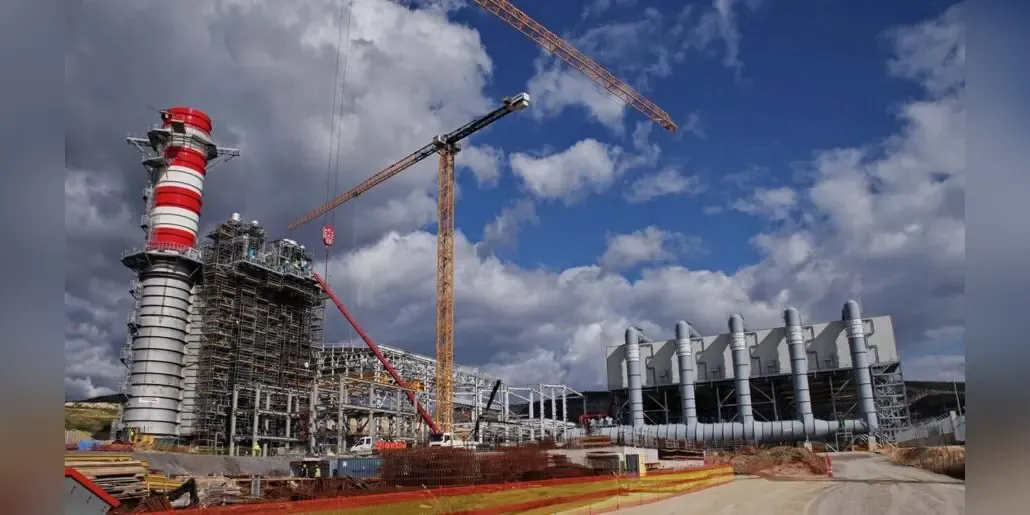
Greece's Hellenic Survey of Geology and Mineral Exploration (EAGME) has warned of significant pressure on groundwater reserves following four to five consecutive years of drought. In Thrace, monitoring data for 2025 indicate both water quantity and quality concerns, particularly in the municipalities of Alexandroupoli and Orestiada, as well as in agricultural and coastal areas of Evros.
The prolonged drought affecting parts of Greece over the past five years has significantly reduced groundwater reserves, with Thrace among the regions facing mounting pressure, according to a report released on November 5 by the Hellenic Survey of Geology and Mineral Exploration (EAGME).
The report presents the findings of the agency's analysis of groundwater quantity and quality data collected throughout 2025. In Evros, monitoring maps indicate areas of concern along the border with Bulgaria, while the Orestiada area and the Evros Delta are also flagged for water quality issues.
The quantitative assessment identifies additional areas of concern, with several locations classified as being in poor condition, particularly in the municipalities of Alexandroupoli and Orestiada.
NATIONAL MONITORING NETWORK COVERS 588 GROUNDWATER SYSTEMS
EAGME's national monitoring network comprises 2,074 monitoring stations, including boreholes, springs and wells, covering 588 groundwater bodies across Greece.
The 2025 assessment was prepared by the agency's Department of Hydrogeology and Hydrology and involved field measurements, water sampling, laboratory testing and scientific evaluation.
The monitoring programme included four measurement periods, with the following activities:
- 200 quantitative field measurements.
- 850 physicochemical field measurements.
- 650 laboratory analyses of major ions, covering 10 parameters.
- 700 trace-element analyses, covering 10 parameters.
- 160 analyses for pesticides and solvents, covering 30 parameters.
The project involved 48 geologists and technicians, eight chemists and chemical engineers, and a total of 20 field teams.
DROUGHT AND OVER-EXTRACTION INTENSIFY WATER PRESSURES
According to EAGME, 2025 marked the fourth or fifth consecutive year of drought in several parts of the country. The effects on groundwater reserves were particularly significant in eastern Greece, including Thessaly, eastern Peloponnese, Crete, the Aegean islands, Thrace, eastern Central Greece and Macedonia.
The report also identifies unsustainable practices and human pressures as factors worsening water shortages. Groundwater extraction in several areas exceeds the annual natural replenishment rate of underground water systems, placing additional strain on available reserves.
NITRATE POLLUTION AND SEAWATER INTRUSION
The main groundwater quality problems identified include nitrate pollution in agricultural areas and seawater intrusion into coastal aquifers.
The latter is associated with intensive groundwater extraction and declining reserves caused by prolonged drought.
Human-induced contamination involving trace elements and/or organic compounds has also been detected in Attica, eastern Central Greece, Macedonia and Thessaly.
In some cases, however, concentrations exceeding established threshold values are attributed to the natural geological characteristics of the areas concerned, particularly in Macedonia.
MORE THAN ONE-QUARTER OF STATIONS SHOW POOR WATER CONDITIONS
The national monitoring results for 2025 reveal significant challenges in both groundwater quantity and quality.
Regarding quantitative status, 58.3% of monitoring stations were classified as being in good condition, while 28.4% were classified as poor. The status of the remaining 13.3% was unknown.
In terms of water quality, 53.9% of stations were classified as good and 28.6% as poor. A further 11.6% recorded exceedances attributed to natural causes, while the status of 5.9% remained unknown.
EAGME said its systematic collection and scientific assessment of groundwater data provide an essential basis for understanding the condition of the country's water resources and supporting their protection and sustainable management.
The monitoring project was conducted under the supervision of Vasileios Zorapas, head of EAGME's Department of Hydrogeology and Hydrology.