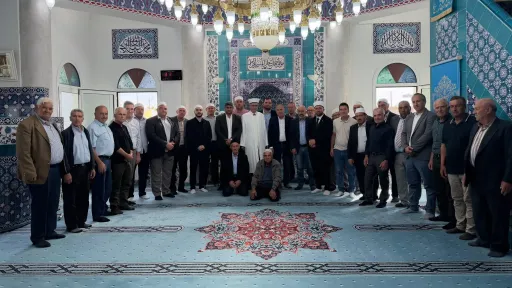
Migration from Western Thrace to Türkiye examined in Istanbul: Academics highlight striking realities

The historical, social, and legal dimensions of migration from Western Thrace to Türkiye were discussed in detail at a conference held in Istanbul, where scholars evaluated issues ranging from education and citizenship to economic pressures and cultural rights.
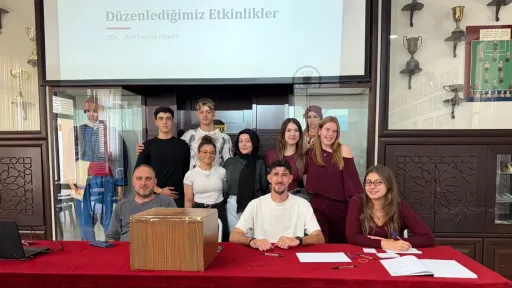
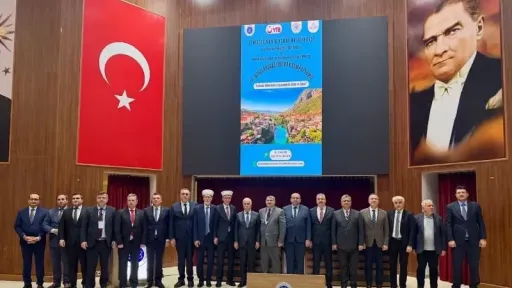
The event, organized on 6 December at the Eurasia Foundation Headquarters in Istanbul, was jointly hosted by the Eurasia Foundation and the Eurasia Foundation Youth Center.
The conference was moderated by Prof. Dr. Cezmi Eraslan of Istanbul University. Speakers included Prof. Dr. Nilüfer Erdem, Dr. Pervin Hayrullah, Research Assistant Özlem Arslan, and Research Assistant Safa Furkan Karacakaya.
Legal Rights, Education, and the Mufti Issue on the Agenda
Research Assistant Özlem Arslan addressed the legal status of Western Thrace Turks, educational challenges, the muftiate issue, and economic hardships. She highlighted the structural problems in education and outlined the rights and obstacles faced by the minority within the framework of international agreements.
Article 19 and the Role of Media
Research Assistant Safa Furkan Karacakaya discussed the impact of the former Article 19 of the Greek Citizenship Law on Western Thrace Turks. Emphasizing the role of media in preserving Turkish identity, he also provided historical insights into Turkish-language publications that once circulated in the region.
Historical Trajectory of Migration: Differences Between İskeçe and Gümülcine
Originally from Gümülcine, Prof. Dr. Nilüfer Erdem presented a historical overview of the migration waves from Western Thrace to Türkiye. She noted that those unable to adapt to the new social order in the 1920s and 1930s were among the first to migrate, while increased state pressure during the junta period triggered a more significant exodus.
Erdem underlined that migration from İskeçe began earlier due to economic factors, whereas Gümülcine, with its agrarian structure, experienced accelerated migration at a later stage. She also pointed out that many highly educated Western Thracians were unable to return because of diploma equivalency problems, and that Article 19 severed thousands of people from their birthplace by stripping them of citizenship.
She stressed that migration was not a state-orchestrated policy but rather shaped by individual decisions, often influenced by family connections and the search for better educational opportunities.
“Cultural Genocide Is Being Committed” Claim
In the final session, Dr. Pervin Hayrullah, Director General of BAKEŞ, argued that Western Thrace Turks have been subjected to a form of cultural genocide since 1923. She claimed that members of the minority have been systematically pressured into migrating.
Hayrullah noted that more than 100 minority primary schools have been closed in the last 15 years. She also criticized the prolonged lack of response to BAKEŞ’s applications for bilingual kindergartens, stating that the most recent application had been rejected.
The conference concluded with a question-and-answer session.