Macedonia-Thrace administration issues wildfire prevention guidelines for agricultural areas
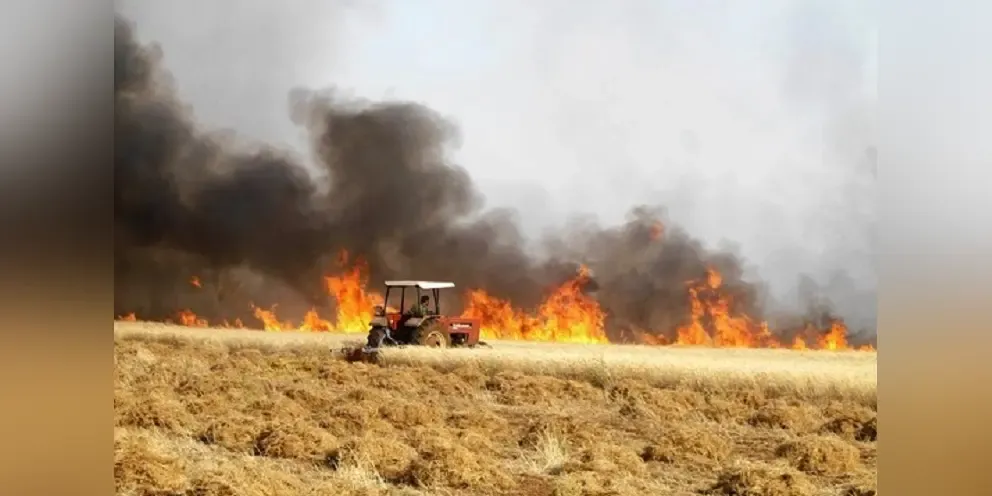
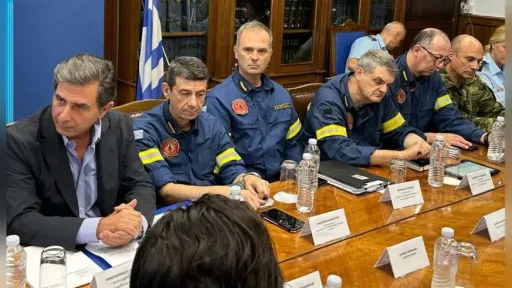
The directive was released following a meeting of the Regional Coordination Council for Macedonia-Thrace, held in Thessaloniki under the leadership of Deputy Minister of Macedonia-Thrace Kostas Gioulekas. The circular, prepared with the contribution of the Fire Service, includes specific recommendations for farmers, agricultural land managers, residents, and visitors, particularly in tourist areas.
The document, along with a prepared public announcement, was sent to 60 municipalities and Civil Protection Services across Central and Eastern Macedonia and Thrace. Local authorities were asked to publish the guidance on municipal websites, public service offices, and through press releases to ensure that farmers and residents are informed about fire prevention measures.
Dimitris Galamatis, Secretary-General of the Decentralized Administration of Macedonia-Thrace, emphasized that prevention and cooperation between authorities, organizations, and citizens are essential to reducing wildfire risks.
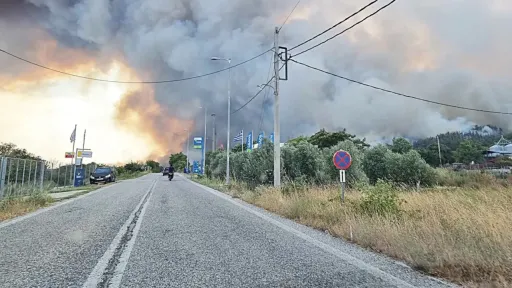
"Most wildfire outbreaks have been recorded in agricultural areas," Galamatis said, adding that the new initiative aims to strengthen prevention efforts during the remainder of the fire season.
The circular recommends that farmers and agricultural land managers:
- Create firebreak zones around cultivated areas using plows, tillers, or disc harrows.
- Plow entire cultivated fields where possible as an additional preventive measure.
- Avoid using machinery such as shredders or other equipment that may produce sparks on days when the fire danger index reaches category 3 or higher.
- The administration also highlighted the importance of informing residents and tourists about wildfire risks and self-protection measures. Authorities encouraged the distribution of information materials in foreign languages, especially in tourist areas and during periods of high fire danger.
Officials stressed that protecting human life, the natural environment, agricultural land, and infrastructure requires collective responsibility and continued cooperation throughout the fire season.