Fire official: 90% of wildfires caused by negligence

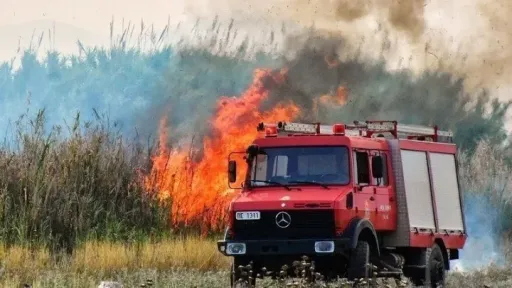
Greek firefighters remain on heightened alert as high temperatures and strong winds continue to raise the risk of wildfires, while human negligence remains the leading cause of fires, a senior fire service official said.
Speaking to ERTnews, Kostas Tsigas, president of the Association of Fire Service Officers, said about 90% of cases investigated were linked to negligence.
According to figures through Aug. 23, authorities have made 310 arrests. Of those, 276 involved alleged arson through negligence and 34 involved suspected intentional arson.
Authorities have also issued 737 administrative fines totaling €1,198,080.68.
Agricultural work linked to 30% of fires
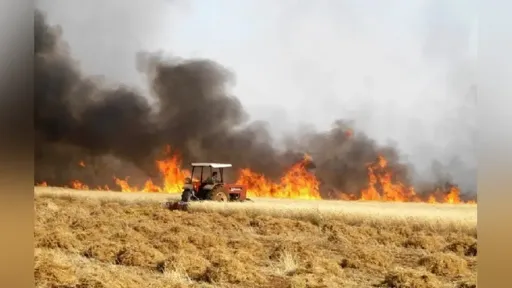
Tsigas said about 30% of wildfires originate from agricultural activities, warning that outdoor work must not put lives, homes or property at risk.
He cited a recent fire in the Aianteio area of Salamina as an example of dangerous behavior. Investigators determined that sparks generated during welding work caused the blaze.
A 49-year-old man was arrested on suspicion of arson through negligence and was also fined.
High temperatures and winds remain a threat
Tsigas warned that weather conditions would continue to require heightened vigilance in the coming days.
Warm air masses are expected to affect Greece for another two to three days, while falling temperatures could be accompanied by stronger winds.
Both factors can contribute to the rapid spread of wildfires, he said, urging people to avoid activities that could generate sparks or ignite vegetation.
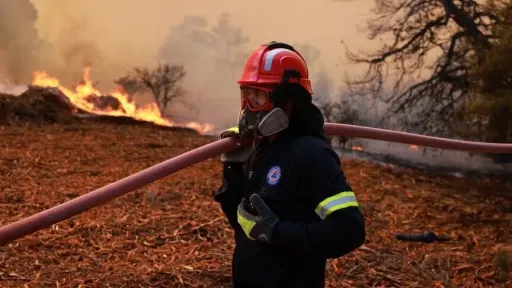
Around 10,000 permanent and seasonal firefighters, civil protection volunteers and Fire Service volunteers are involved in wildfire response operations, according to Tsigas.
Fire season continues beyond August
Tsigas stressed that the wildfire threat does not disappear at the end of August.
The official fire season runs through the end of October, he said, warning that there is no sudden change in conditions on Aug. 31.
He called for greater emphasis on prevention from November through April, including measures to strengthen the resilience of local communities.
He also urged greater public awareness and fire-safety education, including programs aimed at schoolchildren.
Antinero program strengthens prevention
Tsigas highlighted the contribution of the Antinero wildfire prevention program, saying its impact had been visible in firefighting operations across Greece.
The program includes clearing and improving access roads that can serve as firebreaks, allow firefighting vehicles to reach affected areas and provide evacuation routes for residents.
Removing accumulated vegetation and other biomass also reduces available fuel and strengthens defenses against wildfires.
New measures target wildfire prevention
Tsigas also referred to Law 5281/2026, known as “Active Battle,” which provides for prevention measures including prescribed burning and controlled grazing.
The aim is to combine prevention measures and strengthen the resilience of local communities while reducing the impact of wildfires across Greece.
Source:ERT