Greek Regional Education Authority statement sparks controversy ahead of Çınar Mosque Trial

A statement issued by the Eastern Macedonia and Thrace Regional Directorate of Education ahead of the Çınar Mosque trial has triggered controversy, with critics questioning whether state institutions are taking sides in an ongoing legal process.
The statement, released one day before the high-profile trial in İskeçe, has drawn strong reactions from members of the Western Thrace Turkish Minority, who argue that its wording carries indirect accusations and risks influencing judicial proceedings.
Reference to 2024 Çınar Mosque Incident
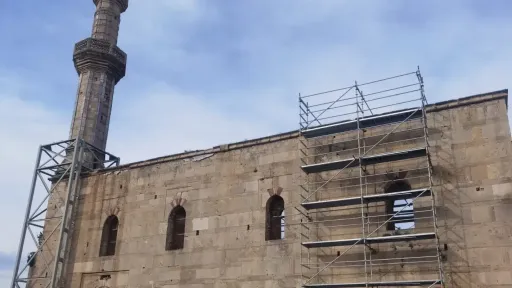
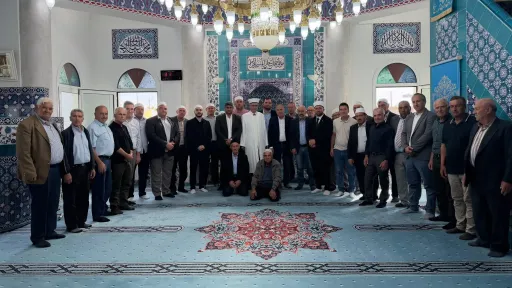
In the statement, the Directorate—operating under the Greek Ministry of Education—referred to events that took place in October 2024 at the Çınar Mosque. It claimed that Acting Mufti Cihat Halil had been prevented from entering the mosque to perform religious duties, describing the incident as an attempt to disrupt “security and social harmony.”
Although no individuals were directly named, phrases such as “instrumentalization of sensitive issues,” “creating tension,” and “serving personal goals” were widely interpreted as implicitly targeting specific groups, including the defendants in the upcoming trial.
Timing Raises Concerns
Observers have highlighted the timing of the statement, noting that it was published just before the trial of four members of the Western Thrace Turkish Minority related to the mosque incident.
The case stems from events on October 11, 2024, at the Çınar Mosque in İskeçe, which led to legal proceedings against four individuals.
Debate Over Institutional Authority
The statement has also sparked a broader debate over institutional boundaries. Experts emphasize that regional education directorates are responsible for educational matters, while issues concerning mosques and mufti offices fall under different administrative and legal frameworks.
This has led to growing questions about whether the Directorate exceeded its authority by commenting on a sensitive religious and legal issue.
Criticism Over “Implicitly Accusatory Language”
Critics argue that, despite maintaining a formal tone, the statement includes language that could be perceived as suggestive and accusatory. Terms referring to “exploiting sensitive issues,” “generating tension,” and “seeking temporary visibility” have been cited as examples of indirect targeting.
Such wording, they say, risks shaping public perception and undermining the neutrality expected from state institutions during ongoing judicial processes.
Reaction from Minority Community
Members of the Western Thrace Turkish Minority have voiced strong objections. Community representatives argue that a state body issuing such a statement during an active legal case could influence the judiciary and compromise the principle of impartiality.
They also question why an education authority intervened in what is fundamentally a religious and legal matter, describing the move as a potential overreach of institutional competence.
Some critics further claim that the statement reinforces perceptions that the state is not acting neutrally but is instead positioning itself against the minority.
Full Statement by Regional Authority
The statement, signed by Acting Regional Director Marigoula Kosmidou, emphasized that the Greek state is committed to protecting religious freedom, equality before the law, and social harmony in Thrace.
It also warned against the use of sensitive issues to create division or serve personal agendas, stating that such actions would not be tolerated.
Growing Debate Ahead of Trial
The controversy surrounding the statement is expected to intensify discussions on judicial independence, state neutrality, and minority rights in Greece as the Çınar Mosque trial proceeds.