Water levels continue to fall in Meriç and Tunca rivers

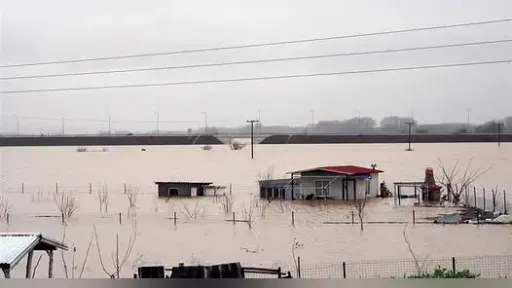
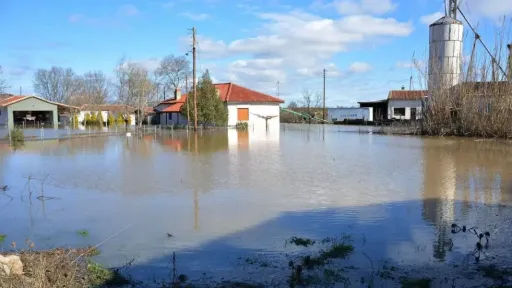
Water levels in the Meriç and Tunca rivers, which caused flooding in Edirne (Türkiye) last week, continue to decline. Authorities have downgraded the warning level for the Meriç River from “red” to “orange” following a steady drop in flow rates.
The two rivers had risen rapidly due to regional rainfall, accelerated snowmelt and controlled water releases from dams in Bulgaria. The surge led to widespread flooding, closing several village roads and historic bridges, while thousands of hectares of farmland were submerged.
Situation in the Tunca
The Tunca River, whose flow typically drops to as low as 2 cubic meters per second during summer, peaked at 212 cubic meters per second during the recent flood.
Since then, water levels have steadily receded, with the latest measurements showing a discharge of 126 cubic meters per second.
As waters withdraw, flooding has eased in low-lying areas such as Sarayiçi Island—home to the historic Kırkpınar Oil Wrestling Festival—as well as around several partially submerged historic bridges.
Meriç downgraded to orange alert
The Meriç River, which normally records summer flows between 30 and 40 cubic meters per second, surged to 1,489 cubic meters per second at the height of the flooding.
Following the peak, the river’s discharge has fallen to 1,225 cubic meters per second, according to the latest data.
In response to the continued decline, authorities lowered the warning status from red to orange late last night, signaling reduced—though still ongoing—flood risk in the region.