Rival probes into OPEKEPE scandal set to clash in Parliament

The deepening political standoff over the OPEKEPE farm subsidy scandal is heading into a decisive phase, as three rival proposals for investigation are set to be debated in Parliament.
The clash underscores the growing divide between the ruling party and opposition forces, each seeking to shape the narrative over one of the country's most sensitive agricultural and administrative issues.
The government’s proposal calls for the creation of a broad investigative committee covering the period from 1998 to the present, aimed at examining structural and long-standing failures within OPEKEPE—the Hellenic Payment Authority of Common Agricultural Policy Aid Schemes. Officials argue that systemic mismanagement predates the current administration and must be addressed in a comprehensive manner.
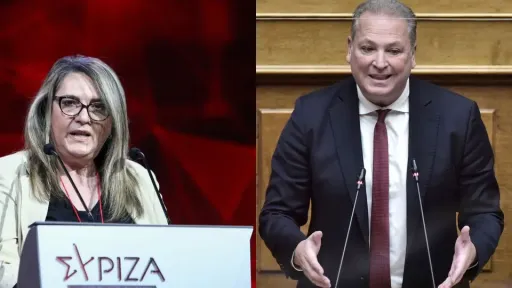
In contrast, PASOK and a joint bloc of SYRIZA and New Left are pushing for a pre-investigative parliamentary committee focused on potential felony charges against former ministers Makis Voridis and Lefteris Avgenakis. Their call is based on documents forwarded to Parliament by the European Public Prosecutor’s Office (EPPO), which the opposition believes include grounds for criminal accountability.
While the opposition insists the evidence suggests serious wrongdoing, the government maintains that the case file contains no legal basis for prosecution. It has rejected the opposition’s call for a pre-investigative process, accusing them of using legal proceedings for political gain.
A central issue in the dispute is the statute of limitations. The government cites the 2019 constitutional reforms, arguing that they eliminated expiration clauses for ministerial offenses. However, opposition parties point to a note from the European Prosecutor, warning that possible charges—particularly those involving Voridis—may expire as early as October 6.
With each camp refusing to support the other's proposal, the balance of power may rest with independent lawmakers and smaller opposition parties. Their stance could determine which inquiry—if any—moves forward.
As debate shifts to the Parliamentary floor, both credibility and strategy hang in the balance. The outcome will not only shape the future of OPEKEPE but also influence public trust in the political system’s ability to hold power to account.