Greece rescues over 500 migrants near Crete and Gavdos

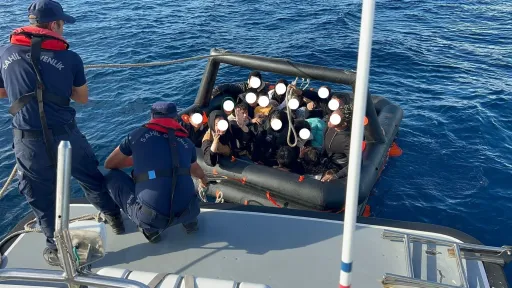
According to the Hellenic Coast Guard, over 430 migrants were spotted approximately 25 nautical miles south of Gavdos, Greece's southernmost island, on Sunday. In a separate operation, Frontex, the European Union’s border and coast guard agency, rescued another 96 migrants off the coast of Crete in two small boats. All rescued individuals were safely transported to Crete.
The migrants are believed to have departed from northeastern Libya, a departure zone that has seen increasing traffic in recent months. Those rescued include nationals from conflict zones and unstable regions such as Sudan, Egypt, and Bangladesh.
Renewed Maritime Pressure from Libya
According to Reuters article published in Kathimerini, the recent spike in sea arrivals prompted Greece last month to deploy two naval frigates near Libyan territorial waters, aiming to deter illegal crossings and reinforce European border security. Athens has also urged closer cooperation with Libyan authorities to prevent migrant vessels from leaving Libyan ports or to intercept them before they exit national waters.
In a symbolic gesture of diplomatic outreach, Greek Foreign Minister George Gerapetritis visited Benghazi on Sunday for talks with Khalifa Haftar, the powerful eastern Libyan military commander. The two discussed migration and regional security, signaling a potential thaw in relations after years of tension stemming from the controversial 2019 maritime accord between Libya and Turkiye.
“We will continue our undisturbed relationship… and we hope that in the near future we will have tangible results for the progress of our relations,” Gerapetritis stated after the meeting.
Migrant Boat Footage Sparks Concern
Separately, Greek media broadcast footage of dozens of migrants leaping from a speedboat into the sea before reaching southern Crete. The video has stirred fresh concern over the organized nature of smuggling networks operating in the region, often risking lives with unsafe vessels and high-speed drop-offs.
As Europe enters the height of summer—when weather conditions are most favorable for crossings—the Greek government faces the dual challenge of protecting its maritime borders while responding to humanitarian obligations.