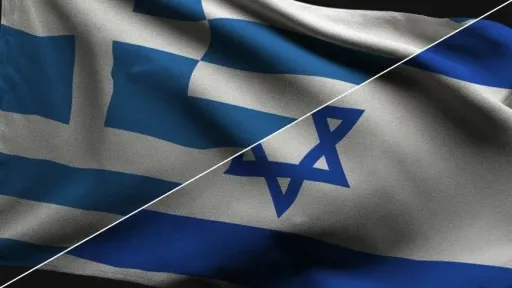
Greece insists on sustaining 12-mile dispute with Türkiye
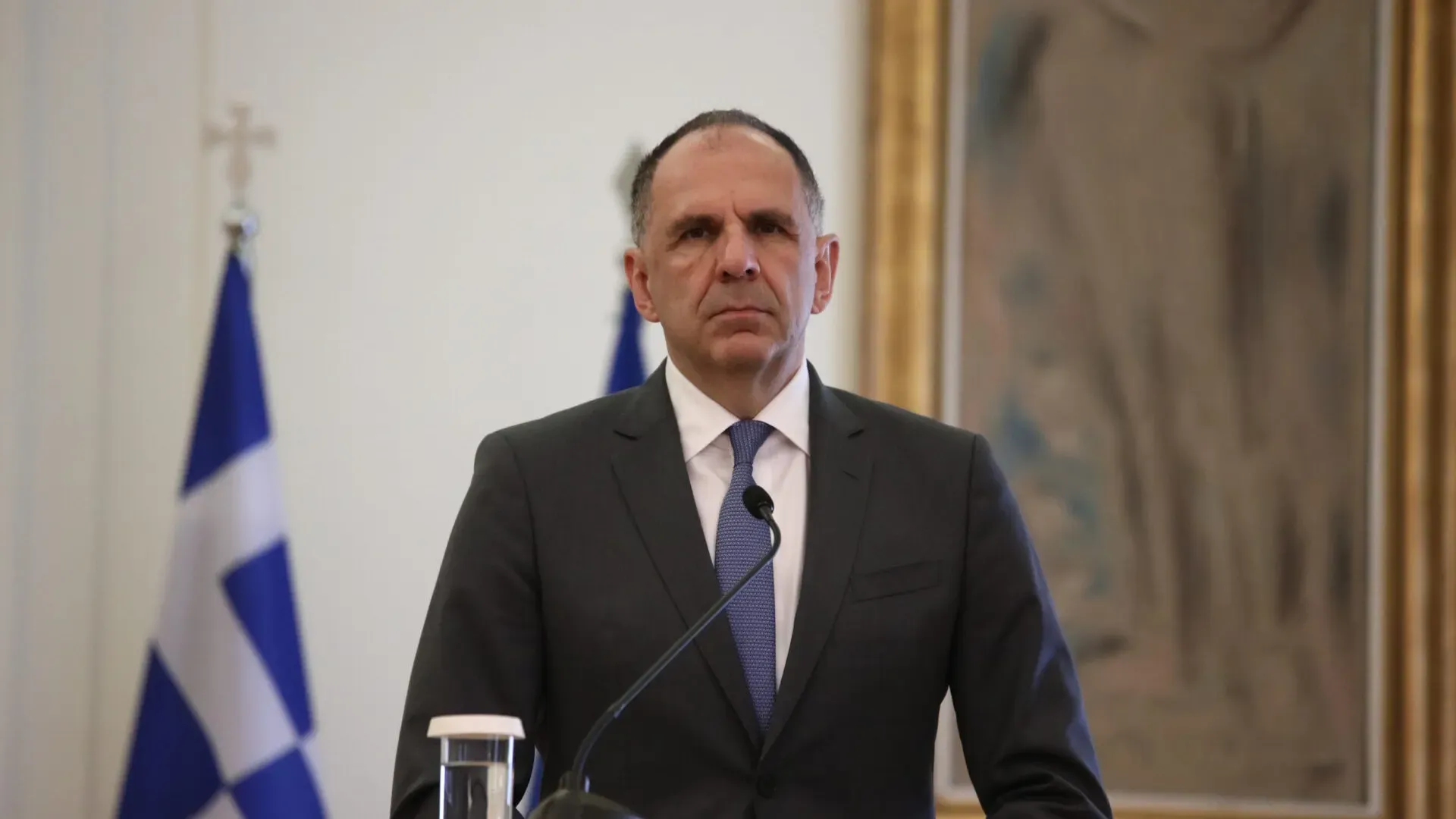
Greece’s top diplomat reiterated his country’s claim to parts of the Aegean Sea in an interview to Ta Nea newspaper, challenging Ankara to stop them. “The process of expanding our maritime borders will continue. (The application of the 12-mile rule) will be conducted whenever and however the state of Greece will see fit,” Foreign Minister George Gerapetritis said.
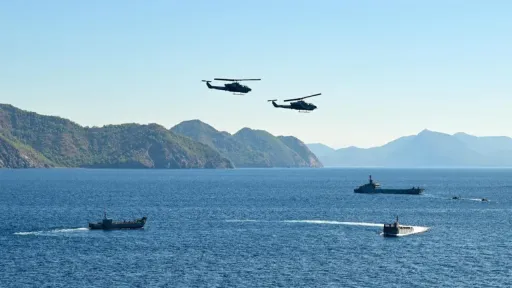
Türkiye and Greece are at odds over several issues, including competing claims to jurisdiction in the Eastern Mediterranean, overlapping claims over their continental shelves, maritime boundaries, airspace, energy, the ethnically divided island of Cyprus, and the status of the islands in the Aegean Sea. The 12-mile dispute is linked to differing interpretations of international law regarding countries’ rights to claim territorial waters extending up to 12 nautical miles. Türkiye argues that this principle does not apply to the semi-enclosed Aegean Sea, where any declaration extending territorial waters to 12 nautical miles would severely restrict Turkish access to the sea.
Despite the intention to persist in the dispute, Gerapetritis was still diplomatic and emphasized that it was important to keep channels of communication with Türkiye open, reminding that the dialogue was underway between the two countries, although Athens would not take a step backward from its sovereign rights. He said they were also observing the developments regarding Türkiye’s "Blue Homeland law" and informed their “allies” about it.
Months ago, Türkiye announced work on a draft bill on the country’s maritime rights nicknamed the Blue Homeland law. The bill, which aims to cover all legal aspects of what Türkiye calls the “Blue Homeland,” or maritime areas where the country has sovereignty, will cement and clarify the rights across Black Sea, the Aegean Sea, the Mediterranean, as well as the Marmara Sea. Safeguarding Blue Homeland rights is essential for Ankara, especially at a time of growing international cooperation, particularly with Israel, for Greece and the Greek Cypriot administration, whose maritime claims contradict those of Türkiye and other countries.
The bill was introduced to the public on May 12 at a press conference organized by Ankara University’s National Center for the Sea and Maritime Law (DEHUKAM), the main body that prepares maritime maps to support Türkiye’s maritime jurisdiction policies. Professor Çağrı Erhan, acting chair of the Turkish Presidency’s Board of Security and Foreign Policies, told the press conference that maritime laws have been dynamic and Türkiye needed to follow developments in the laws. He said the draft bill was not specifically aimed at any country. “We are talking about a text based on the rights and interests of the Turkish nation. Other countries may believe that the world belongs to them only. We do not take heed of what they are worried about,” he said, in thinly veiled remarks against Greece.
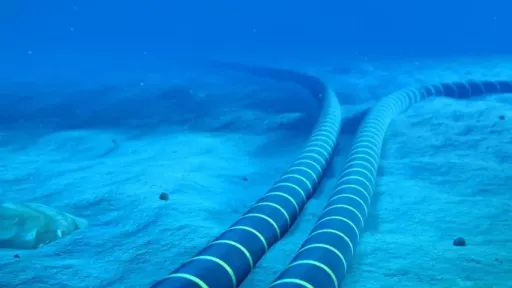
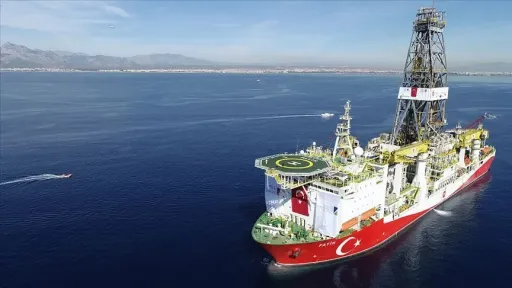
Gerapetritis also claimed that Türkiye and Libya may attempt to block Greece’s hydrocarbon survey south of Crete. Ankara and Athens recently came at odds over the activity of a French vessel working on an undersea electricity connector stretching from Greece to the Eastern Mediterranean. Türkiye apparently allowed the work after a brief delay over a violation of the maritime borders of Türkiye and the Turkish Republic of Northern Cyprus (TRNC).
DailySabah