PM Mitsotakis rejects Türkiye-Libya maritime deal as tensions grow
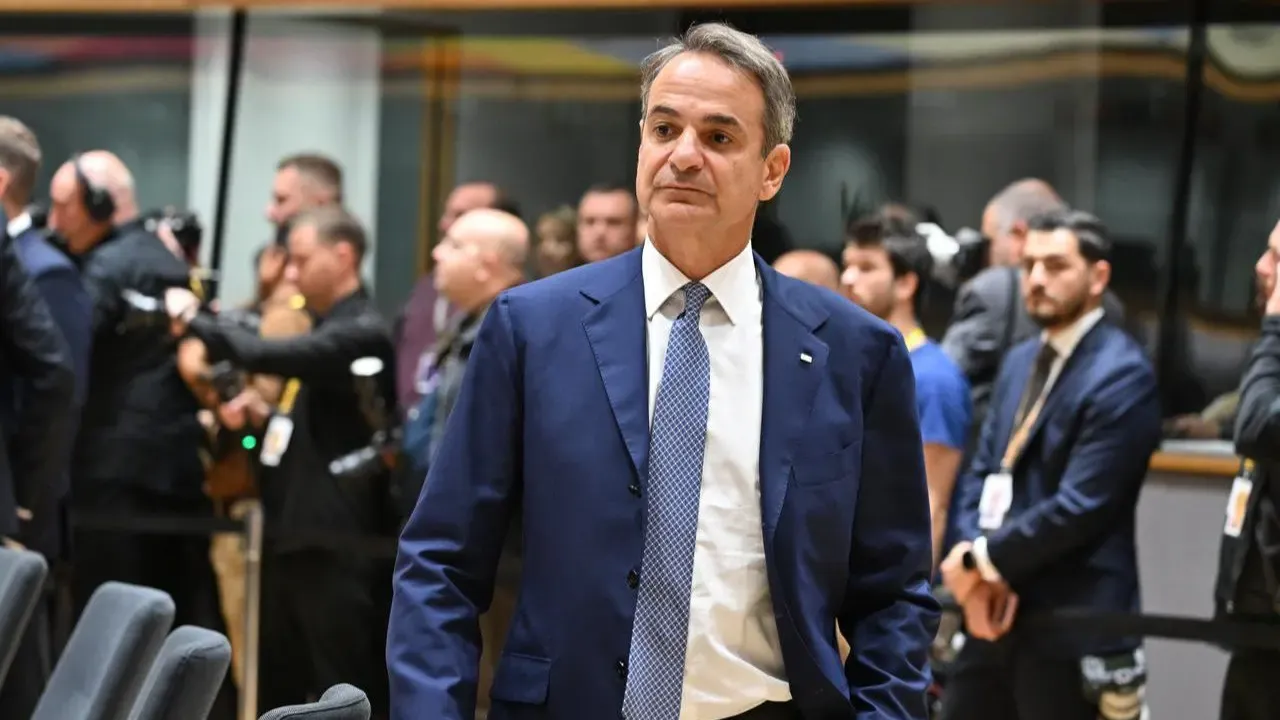
Greek Prime Minister Kyriakos Mitsotakis has strongly rejected the Türkiye-Libya maritime delimitation agreement, describing it as "blatantly illegal, null and void," following renewed approval of the 2019 accord by Libya's House of Representatives.
Speaking to Reuters on Thursday, Mitsotakis argued that the agreement disregards the existence and maritime rights of Greek islands in the Eastern Mediterranean.
"It completely disregards the geography, the reality that there are Greek islands—they seem to completely disappear in the thinking of Türkiye and Libya," he said.
The Greek prime minister accused Ankara and Tripoli of attempting to create a fait accompli that overlooks the United Nations Convention on the Law of the Sea (UNCLOS). He called on Libya to enter direct negotiations with Athens to resolve the maritime dispute.
Egypt, Bahrain and the United Arab Emirates have also expressed opposition to the agreement.
Ankara insists agreement is legally valid
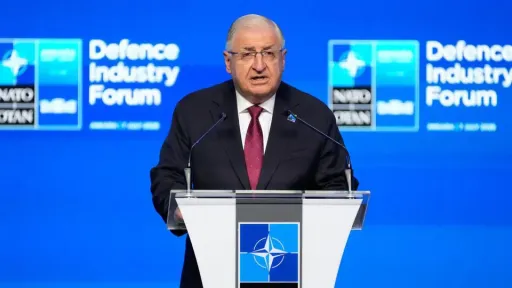
Turkish Foreign Minister Hakan Fidan defended the memorandum, describing it as entirely legitimate from both legal and political perspectives.
Speaking to Türkiye's state-run Anadolu Agency in Brussels, Fidan said Ankara had considered the agreement valid since its signing in 2019.
He also argued that Libya's parliamentary decision on Oct. 20 amounted to acceptance of the agreement rather than formal ratification.
Fidan said Türkiye understood the concerns expressed by other countries but maintained that the memorandum protected the interests of both parties and could contribute to stability in the Eastern Mediterranean.
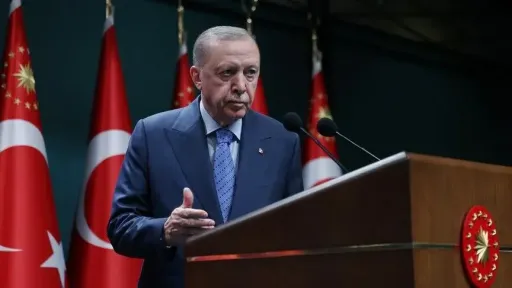
Turkish President Recep Tayyip Erdogan has also rejected criticism from the European Union and other countries, arguing that their objections lack a legitimate basis.
Libyan parliament reverses earlier rejection

Libya's House of Representatives unanimously approved the memorandum on Oct. 20, reversing its 2020 resolution rejecting the agreement and another decision calling for the severing of relations with Ankara.
The Turkish Foreign Ministry welcomed the move, saying the agreement was based on international law and equity and protected the maritime rights and interests of both countries.
Several Libyan political institutions and officials also supported the decision, including the Tripoli-based Government of National Unity's Foreign Ministry, the High Council of State and Presidential Council Vice Chairman Musa Al-Koni.
Saddam Haftar, deputy commander of forces in eastern Libya, said the agreement could help safeguard Libya's maritime and economic interests in the Mediterranean while advancing cooperation with Türkiye.
The memorandum was signed in November 2019 to delimit maritime jurisdiction areas between Türkiye and Libya in the Mediterranean. Its provisions have remained a source of disagreement between Ankara and Athens, particularly over the impact on Greek islands and competing maritime claims.
Greece seeks Black Sea shipping truce
In his interview with Reuters, Mitsotakis also called for an urgent international truce to protect commercial shipping in the Black Sea following the sinking of a Greek-managed container ship off Bulgaria in a drone attack.
"We do need some sort of international truce when it comes to the freedom of navigation," he said.
The Greek prime minister added that Greek shipowners would be among the first to resume operations in the region if safe passage could be guaranteed.
He also called on the European Union to strengthen its Aspides naval mission in the Red Sea and reaffirmed Athens' support for sanctions against Russia.
Mitsotakis backs energy exploration off Crete
On energy policy, Mitsotakis said there was no risk that planned gas exploration activities off Crete would face challenges.
Greece has awarded a Chevron-led consortium a licence to explore for natural gas in offshore areas south of the island, as Athens seeks to expand its energy exploration activities and strengthen its position in the Eastern Mediterranean.
Source:AA