Greece inflation rises to 3.7% as fuel prices add to pressure

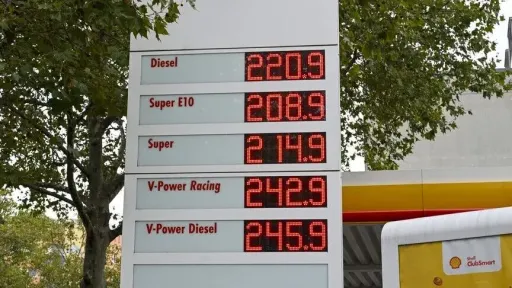
Greece’s inflation rate rose to 3.7% in August, exceeding the euro area average of 3.3% and raising concerns that higher fuel and energy costs could trigger further price increases across the economy.
The latest increase is adding to pressure on households and businesses, with rising energy costs expected to affect transportation, production and everyday consumer spending.
Greece is facing renewed inflationary pressure as energy prices continue to rise. The increase comes at a time when monetary policy in the euro area remains under scrutiny, with markets watching closely for signs of further interest-rate moves by the European Central Bank (ECB).
ECB policy in focus
The impact of higher energy prices on inflation has intensified attention on the ECB’s monetary policy.
According to assessments reported in the Greek press, the ECB is expected to raise interest rates at its September 10 meeting. In June, the central bank raised its key interest rates by 25 basis points, taking the deposit facility rate to 2.25%.
Bundesbank President Joachim Nagel has also said he would support raising euro area interest rates to 2.50% if inflationary pressures remain persistent.
Could borrowing costs rise again?
Higher interest rates would affect more than consumer loans. Businesses could face increased financing costs, while governments would also have to contend with higher borrowing expenses.
If elevated energy prices continue to feed into inflation, European economies could face slower growth, delayed investment and additional pressure on labor markets.
For Greece, the impact of energy costs and potentially higher borrowing expenses on households and businesses will remain a key concern.
The central question for the economy is whether any further interest-rate increases would be limited to a single move or become part of a broader tightening cycle, and how long energy-driven inflationary pressures will persist.