Eastern Macedonia and Thrace regional veterinary directorate issues rabies vaccination advisory ahead of spring campaign
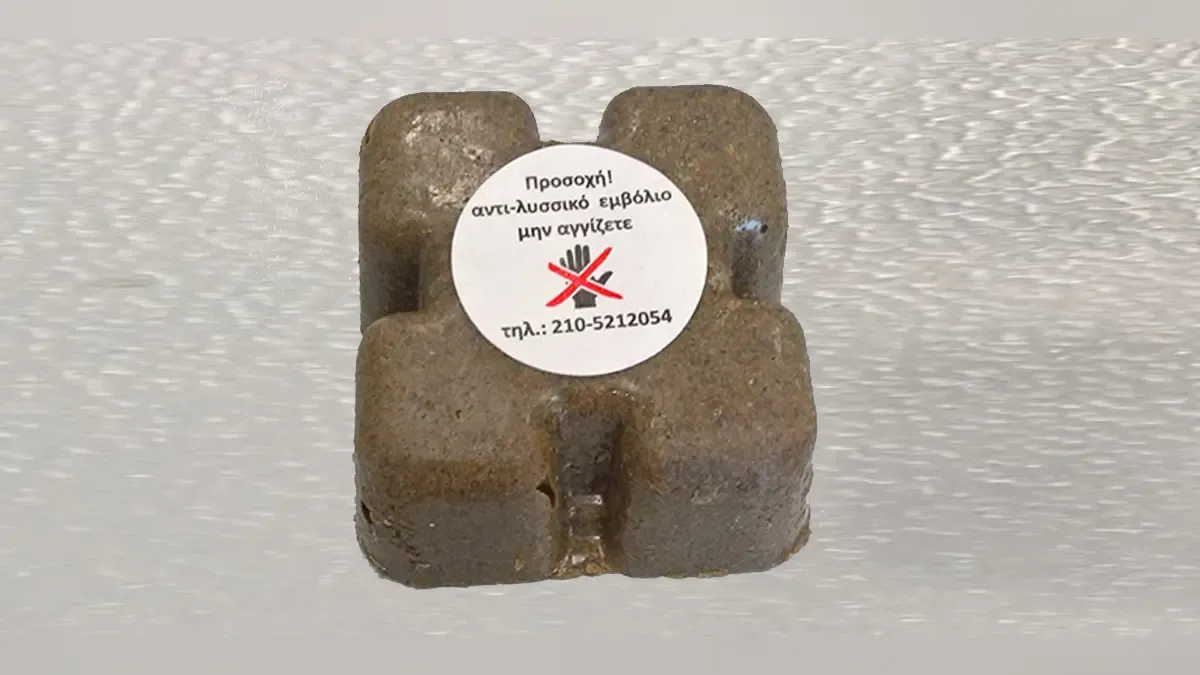
The Eastern Macedonia and Thrace Regional Veterinary Directorate has announced the start of its annual spring rabies vaccination campaign, urging residents to exercise caution as vaccine-laced baits are set to be distributed across wildlife habitats.
According to the official statement, aerial distribution of oral rabies vaccines will begin on April 29, weather permitting. The campaign will cover most of the region, excluding Samothrace, and will focus on areas inhabited by wild animals.
Aerial Bait Distribution Strategy
Authorities confirmed that vaccine baits will be dispersed exclusively in natural wildlife zones, deliberately avoiding urban and suburban settlements, road networks, and lakes.
The baits are described as small brown cubes with a fish-like odor, containing a capsule filled with rabies vaccine solution. Each bait is clearly labeled with a warning reading “ATTENTION RABIES VACCINE – DO NOT TOUCH,” along with a contact number for the KEELPNO.
Public Safety Guidelines
Officials issued clear instructions for residents who may encounter the vaccine baits in unintended locations such as residential areas or farmland:
- Do not touch, destroy, or come into contact with the bait.
- Use disposable gloves or a plastic bag to move the bait away from populated areas, placing it somewhere
- inaccessible to humans and animals.
- Immediately notify local veterinary authorities.
What to Do in Case of Contact
The Directorate emphasized that human health risks arise only if the liquid vaccine inside the bait’s capsule comes into contact with open wounds, cuts, the mouth, or the eyes.
In case of accidental exposure, residents are advised to:
Wash the affected area thoroughly with soap and plenty of water. Alcohol or iodine may also be used.
Seek medical attention if contact with the liquid vaccine occurs, bringing the bait in a sealed plastic bag if possible.
Guidance for Pet Owners
If a domestic or farm animal (such as a dog, cat, cow, or sheep) finds a bait, owners are advised not to forcibly remove it, as it poses no danger to animals. Instead, they should encourage the animal to release it.
If ingestion is suspected, owners should clean the animal’s mouth exterior using gloves and soap, and avoid direct contact with the animal for at least 24 hours.
Authorities stressed that public awareness and cooperation are essential for the safe and effective implementation of the vaccination campaign.