Climate assessment 2025 in Greece: Rising temperatures, less snowfall and worsening drought

Presenting the findings, Dr. Kostas Lagouvardos, Research Director and Head of the METEO Unit, emphasized that climate change signals are becoming more pronounced across the country.
2025 Among the Hottest Years on Record
According to the report:
- 2025 was the second warmest year of the past 30 years in Greece, with an average annual temperature of 15.3°C.
- The average maximum temperature exceeded the 1991–2020 climate norm in all regions.
- 72% of days recorded temperatures above the long-term average.
Inland regions, particularly Western Macedonia, Kastoria, Florina and Grevena, showed a faster rate of warming compared to coastal areas.
Sea Surface Temperatures and Global Context
Globally, 2025 ranked as the third warmest year on record, with average temperatures 1.47°C above pre-industrial levels (1850–1900).
In Greek seas, 2025 was the fourth warmest year since 1991, with positive temperature anomalies of +1.4 to +1.6°C. During summer months, sea surface temperatures in parts of the Ionian and Aegean Seas reached 28–29°C, intensifying concerns over marine ecosystems and extreme weather risks.
Rainfall, Drought and Water Resources
Overall rainfall levels were close to the 30-year average, but severe dryness was recorded in eastern and southern regions, including Crete, the Aegean islands and Thrace.
The Mornos Reservoir, a critical water source, shrank by 49% compared to 2022, covering just 8.3 km².
Drought conditions intensified in Eastern Central Greece, the Peloponnese and the Aegean, while Macedonia and Thessaly showed slightly positive soil moisture levels.
Snow Cover and Forest Ecosystems Under Pressure
Snow cover days decreased by 25–30% in Northern Greece and the Pindus mountain range.
Only a few areas—such as Pelion, Kissavos, Samothrace and Mount Olympus—maintained near-normal snow conditions.
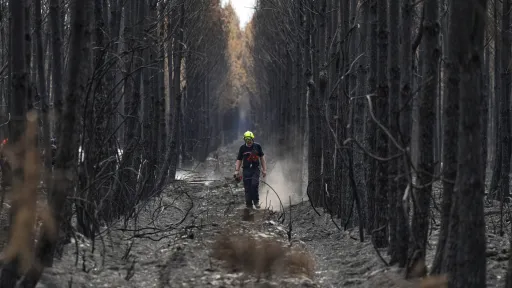
The report highlights ongoing dieback of fir and pine forests, driven by rising temperatures, water stress and insect infestations.
Experts stress the need for sustainable forest management, selection of drought-resistant species, and the establishment of genetic conservation banks.
Wildfires and Extreme Weather Events
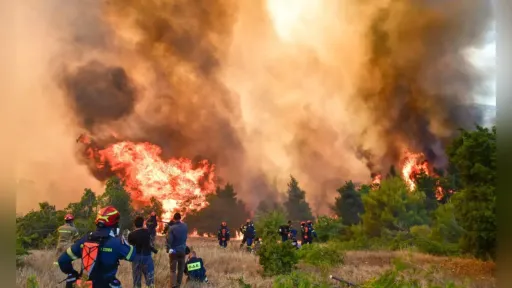
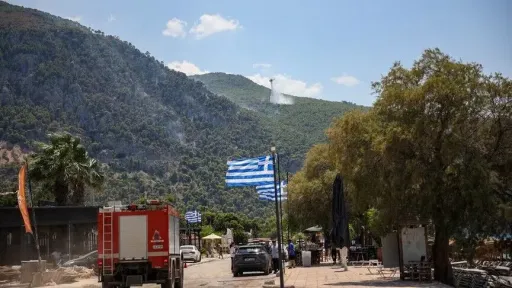
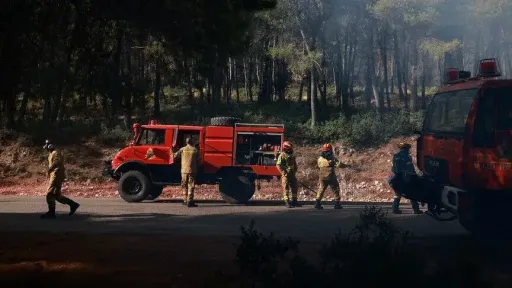
In 2025, 478,000 hectares were burned, close to the average for the 2006–2025 period.
The largest wildfire occurred in Volissos, Chios, burning 66,600 hectares in August.
A total of 19 extreme weather events, mainly floods, were recorded—with no fatalities for the first time since 2000.
A Clear Warning for the Future
The 2025 climate assessment for Greece points to:
- Persistent temperature increases and hotter summers
- Declining snow cover and shifting precipitation patterns
- More intense droughts in eastern and southern regions
- Rising sea temperatures and mounting pressure on forests and water reservoirs
The report underscores the urgent need for scientific monitoring, preventive forest management and long-term climate adaptation strategies to enhance ecosystem resilience and protect critical natural resources.