EU, US seal 15% tariff deal and energy pact

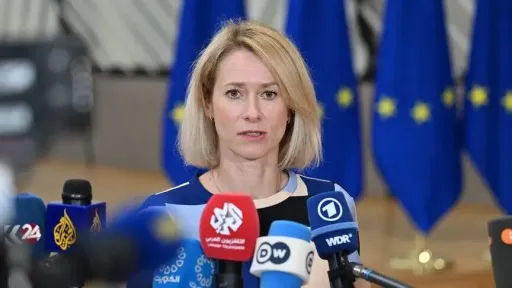
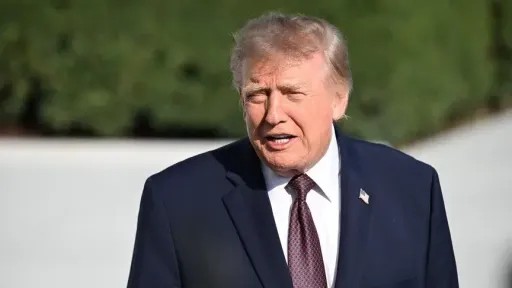
The European Union and the United States have reached a landmark trade agreement, ending a long-standing tariff dispute and averting a potential transatlantic trade war. The deal was finalized during an extraordinary summit held in Scotland between European Commission President Ursula von der Leyen and U.S. President Donald Trump.
Key Points of the Agreement:
A single 15% tariff will apply to a broad range of goods traded between the EU and the U.S., including cars, semiconductors, and pharmaceuticals.
The EU has committed to purchasing $750 billion worth of U.S. energy products—primarily liquefied natural gas (LNG) and nuclear fuel—over the next three years.
Higher U.S. tariffs of up to 30%, initially threatened to begin August 1st, have been avoided.
Tariffs on European cars, a key export for Germany, will be reduced from 27.5% to the standard 15%.
“This agreement brings stability in uncertain times,” said von der Leyen, who described President Trump as “a tough negotiator, but one who knows how to close a deal.” She emphasized that although the 15% tariff is still a burden for some sectors, it is a far better outcome than the initially proposed 30% hike.
Zero tariffs on strategic products
The agreement also includes zero tariffs on certain strategic items such as:
Aircraft and parts
Selected chemicals
Semiconductor equipment
Some agricultural products
Natural resources and raw materials
However, alcoholic beverages are excluded from the current deal and will be renegotiated separately. Likewise, steel and aluminum remain under a quota system, with penalties of up to 50% if the limits are exceeded.
Concessions from the EU
In a move that pleased Washington, the EU has agreed to open its markets to American SUVs and agricultural goods. President Trump highlighted this as a win for U.S. manufacturing and farming sectors: “It’s a good deal for everybody. It will bring us closer—it’s a partnership.”
Trump added that American car models—especially pickups and SUVs—are expected to gain traction in Europe. “I think European consumers will welcome some new variety,” he said.
A pragmatic resolution
Although the EU made significant concessions, Commission officials framed the deal as a pragmatic success. The unified tariff simplifies trade terms and provides predictability for businesses across both continents.
While some European stakeholders view the agreement as a response to pressure from Washington, EU officials stress that the compromise ensures economic stability during turbulent global conditions.