EU plans ‘Military Schengen’ network across Europe
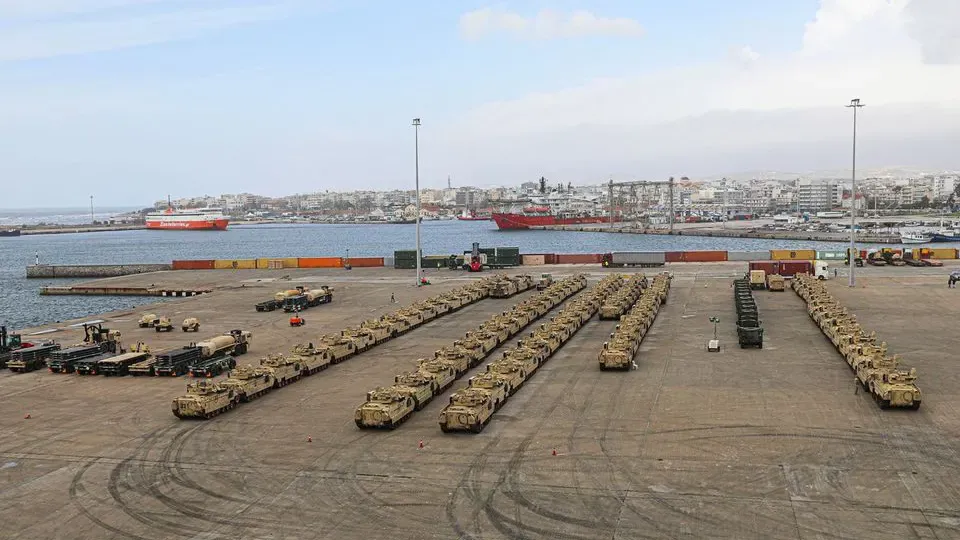
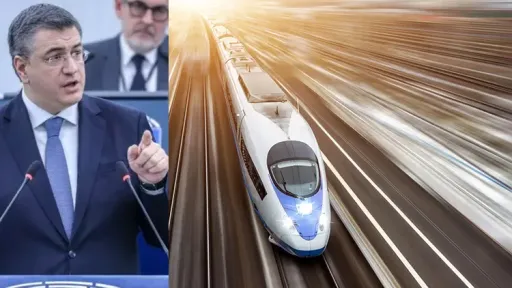
The European Union and NATO are planning a €100 billion infrastructure project aimed at creating a “military Schengen” zone to speed up troop and equipment movements across Europe, European Commissioner Apostolos Tzitzikostas said on Thursday.
Speaking at the “Energy Transition Summit: East Med & Southeast Europe” conference in Athens, Tzitzikostas said the initiative would establish or strengthen infrastructure at 500 military mobility “hot spots” across the continent over the next three to four years.
The project is designed to significantly reduce the time needed to move troops and military equipment between EU member states during exercises or emergencies.
Shared military equipment reserve planned
Tzitzikostas said the EU also plans to create a shared reserve, or “pool,” of military equipment modeled on the bloc’s civil protection mechanism.
According to the commissioner, the regulatory framework for the project is expected to be completed by 2027, while the infrastructure network should be operational by early 2030.
The initiative reflects growing European efforts to strengthen defense coordination and military readiness amid rising geopolitical tensions.
EU confident about summer tourism season
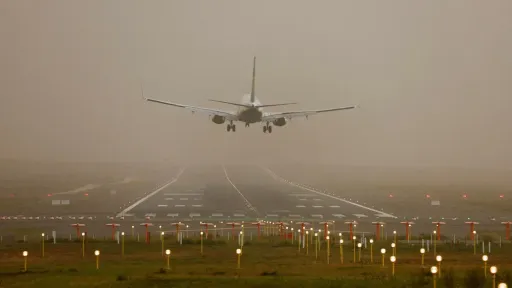
Tzitzikostas also said Europe’s tourism sector remains stable despite ongoing tensions in the Middle East, which have disrupted some flight schedules and increased fuel costs.
“We have no signs that we are running out of jet fuel,” he said, noting that around 70% of jet fuel used in Europe is produced within the EU and supported by significant reserves.
Flight cancellations across Europe are linked mainly to rising operational costs rather than fuel shortages, he added.
Middle east tensions may affect arrivals
The commissioner acknowledged that instability in the Middle East and disruptions at major regional air hubs are expected to reduce tourist arrivals from Asian markets this year.
“We will certainly have a decrease from the Asian market,” Tzitzikostas said, adding that losses could be offset by stronger intra-European tourism.
He stressed that EU travel protections remain in place and said travelers should feel confident booking holidays in Europe this summer.
Warning over economic impact
Tzitzikostas warned that a prolonged Middle East conflict could have wider economic consequences for Europe if it continues in the coming weeks.
He said the conflict has already cost Europe an estimated €35 billion and could place additional pressure on energy markets, fertilizer supplies and food prices ahead of winter.
Source:Kathimerini