US tightens pressure on Iran as tensions rise over Hormuz

The United States imposed new sanctions on an Iranian cryptocurrency network on Thursday, accusing it of helping transfer hundreds of millions of dollars in Bitcoin to Iran’s Islamic Revolutionary Guard Corps, as tensions between Washington and Tehran continued to escalate.
The US Treasury Department’s Office of Foreign Assets Control sanctioned Iranian cryptocurrency exchange BitBank, its developer Pishtaz Simorgh Electronics and three individuals linked to Iranian financier Babak Zanjani.
Treasury accused Zanjani of using BitBank between June and July to facilitate large Bitcoin transfers to the Revolutionary Guards and support efforts to evade US sanctions and launder funds.
The three individuals targeted were Hossein Ali Zaker Hossein, Mohammad Mahdi Zaker Hossein and Seyed Adel Heidari, whom Treasury described as executives involved in Zanjani’s digital asset operations.
Treasury Secretary Scott Bessent said the designations showed that cryptocurrency infrastructure allegedly used to support the Iranian government was within the reach of US sanctions.
Iran says tanker was struck
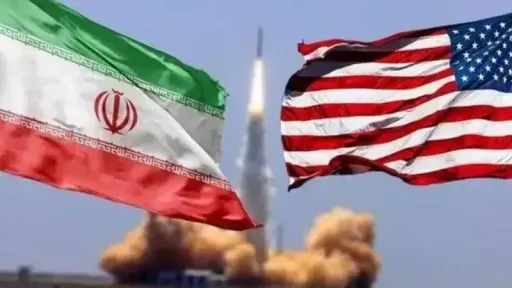
The sanctions came as Washington and Tehran remained locked in a broader confrontation that has also spilled into the Strait of Hormuz, a key global shipping route.
Iran’s Revolutionary Guard said Thursday that its navy had struck a Togo-flagged oil tanker, Trend, after accusing the vessel of attempting an “illegal passage” through the strait.
The IRGC said the tanker caught fire and was stopped after attempting to cross the waterway overnight. It warned other vessels against what it described as unauthorized passage.
There was no immediate independent confirmation of the reported strike or the tanker’s condition. Iran did not provide details on the vessel’s cargo, crew or possible casualties, while US military officials did not immediately comment.
Iranian delegation gets US visas
The United States also confirmed that it had issued visas to Iran’s delegation for next week’s United Nations General Assembly in New York.
A State Department spokesperson said the “core delegation” would be permitted to attend the high-level week, while remaining subject to travel restrictions and limits on purchases of luxury and other goods.
The delegation is reportedly smaller than last year and is expected to include Iranian President Masoud Pezeshkian and Foreign Minister Abbas Araghchi.
The decision reflects US obligations as host country of the United Nations headquarters, despite the continuing military and diplomatic confrontation with Iran.
Trump weighs next move
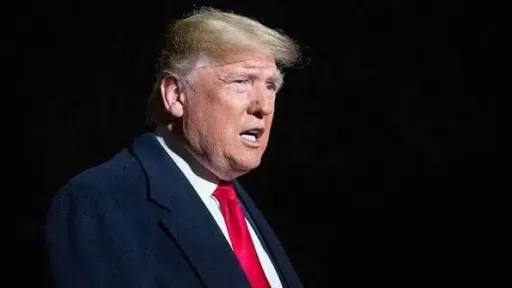
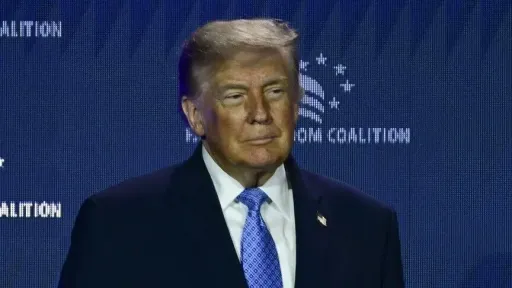
US President Donald Trump said he faces a major decision over whether to resume large-scale attacks against Iran.
“I have a big decision coming up,” Trump told Axios. “Do I want to go in and annihilate them or do I not? It’s a big decision.”
Trump also said Iran had reached out to Washington seeking a deal and described the conflict as potentially approaching its final phase.
“Hopefully we are towards the end of the war,” he told reporters, adding that Iran “want[s] to make a deal.”
Trump is expected to meet next Tuesday with the leaders of Saudi Arabia, the United Arab Emirates, Qatar, Bahrain, Kuwait and Oman on the sidelines of the UN General Assembly to discuss the next phase of the conflict.
Fighting keeps diplomatic efforts under pressure
The confrontation follows large-scale US and Israeli attacks on Iran in February that targeted government buildings, military installations, missile infrastructure and air defenses. Iran responded with missile and drone attacks against Israel and US bases in the region.
Diplomatic efforts have continued alongside the fighting, including a memorandum signed in June that envisioned reopening the Strait of Hormuz as a step toward a broader peace agreement.
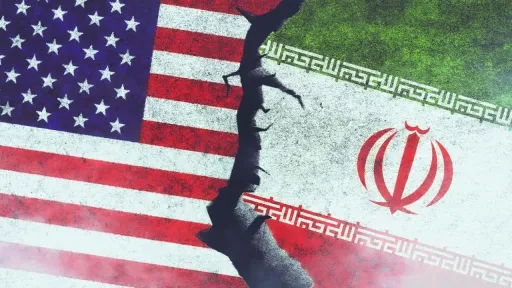
The latest sanctions, tanker incident and Trump’s remarks underscore the uncertainty surrounding the next phase of the conflict, with military escalation and diplomatic negotiations continuing in parallel.
Source:AA