US signals no breakthrough with Iran as tensions rise after strikes on Qeshm Island

US Secretary of State Marco Rubio said Sunday that a diplomatic agreement with Iran may not be possible, describing Tehran's demands as unrealistic and warning that negotiations remain far from a breakthrough.
Speaking to reporters before departing for Paris, where G7 foreign ministers are due to meet Monday and Tuesday, Rubio said Washington remained open to diplomatic solutions but acknowledged that efforts to reach an agreement had made little progress.
"The president would always prefer to solve this and every problem diplomatically. Sometimes that's not possible, unfortunately," Rubio said.
He described Iran's demands as "outrageous and ridiculous," while reiterating that preventing Tehran from acquiring nuclear weapons remained a priority for the US.
Trump acknowledges political cost of Iran war
Meanwhile, US President Donald Trump acknowledged that the war with Iran contributed to Republican losses in last week's midterm elections, citing public opposition to the conflict, rising gasoline prices and what he described as growing anti-Israel sentiment.
In an interview with CBS News' 60 Minutes, Trump said voters had reacted negatively to the war and its economic consequences.
Despite the political setback, he defended the military campaign, saying he would make the same decision again to prevent Iran from obtaining nuclear weapons.
Trump claimed the US had won the war and maintained that Tehran remained interested in reaching an agreement. He also said he was not seeking further military escalation.
"We would have had a deal except for this election," Trump said, suggesting the election outcome had complicated diplomatic efforts.
Democrats secured control of both the House of Representatives and the Senate in Tuesday's elections, dealing a setback to Trump's administration.
Iran reports no damage to vital infrastructure on Qeshm Island
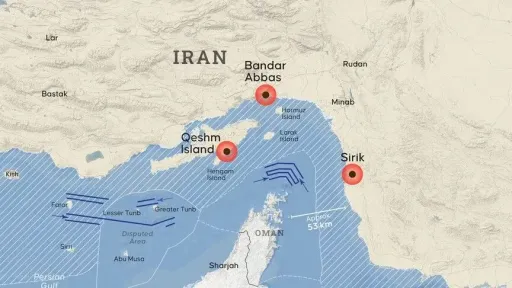
The latest developments followed overnight US strikes on Iran's Qeshm Island, near the strategic Strait of Hormuz.
Ahmad Nafisi, deputy governor of Hormozgan province for political, security and social affairs, said the targeted sites were outside residential and commercial areas and that no damage had been reported to vital infrastructure or essential services.
According to the semi-official Fars news agency, Nafisi said the situation on the island remained under control, with emergency services, public utilities and administrative authorities on high alert.
He did not identify the targeted sites or provide information about possible casualties.
The statement followed reports of several explosions Sunday evening in Bandar Abbas and nearby Qeshm Island. Fars initially cited local sources as suggesting that the blasts may have been caused by warning shots fired at vessels suspected of violating navigation regulations.
Iranian authorities had not immediately clarified the circumstances surrounding the explosions.
Washington warns of further defensive action
Rubio confirmed that US military action against Iranian targets could continue if American forces or maritime traffic faced threats.
He said Washington considered its actions defensive and reserved the right to respond to threats against its personnel and shipping in the region.
"If there's a clear and present threat to shipping or to our forces in the region, we have a right to defend ourselves," he said.
The secretary of state added that any further action would depend on the nature of the threat and whether Iranian forces were attacking or preparing to attack US interests.
The Strait of Hormuz remains a key strategic waterway for global energy supplies, making security in the area a central concern amid continuing tensions between Washington and Tehran.
The G7 foreign ministers' meeting in Paris is expected to address the Iran conflict, regional security and diplomatic efforts to prevent further escalation.
Source:AA