US-Iran talks make progress in Switzerland, roadmap set for deal within 60 days

The United States and Iran have made what mediators Qatar and Pakistan described as "encouraging progress" during the first round of high-level talks in Switzerland, agreeing to a roadmap aimed at reaching a final agreement within 60 days.
In a joint statement issued after the Lake Lucerne Summit at the Burgenstock resort, Qatar and Pakistan said discussions were held in a "positive and constructive atmosphere" and resulted in the creation of a mechanism for further technical negotiations.
The talks, led by U.S. Vice President JD Vance and Iranian Parliament Speaker Mohammad Baqer Qalibaf, lasted about 100 minutes and focused on implementing the Islamabad Memorandum of Understanding signed on June 17.
The parties agreed to establish a High-Level Committee to oversee the mediation process, receive reports from lead negotiators and supervise working groups dealing with Iran's nuclear program, sanctions-related issues and dispute resolution mechanisms.
The committee also adopted a roadmap aimed at securing a final agreement within 60 days, while technical negotiations are set to continue throughout the week.
Measures agreed on Strait of Hormuz, Lebanon
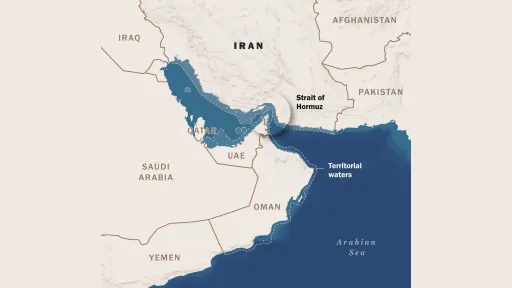
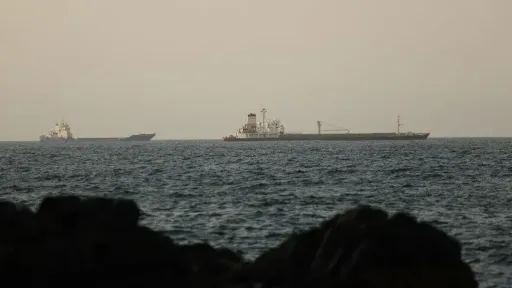
According to the joint statement, the parties established a direct communication channel to prevent misunderstandings and ensure the safe passage of commercial vessels through the Strait of Hormuz.
Negotiators also agreed to create a deconfliction cell involving the parties and the Lebanese government, facilitated by Qatar and Pakistan, to help enforce the cessation of military operations in Lebanon.
A senior U.S. diplomat said discussions remained ongoing and focused on regional security issues, including maintaining freedom of navigation in the Strait of Hormuz and enforcing the ceasefire in southern Lebanon.
The diplomat dismissed reports suggesting the Iranian delegation had left the talks, saying both sides remained engaged and had held "robust discussions" on all aspects of a potential nuclear agreement.
Draft finalized on temporary oil sanctions relief
Separately, Iranian negotiator Hossein Ghorbanzadeh said Tehran and Washington had finalized a draft agreement providing temporary relief from sanctions on Iranian oil exports.
According to Ghorbanzadeh, technical discussions also addressed the release of frozen Iranian assets.
He said broader provisions of the U.S.-Iran understanding would not take effect until a final settlement is reached to end the conflict in Lebanon.
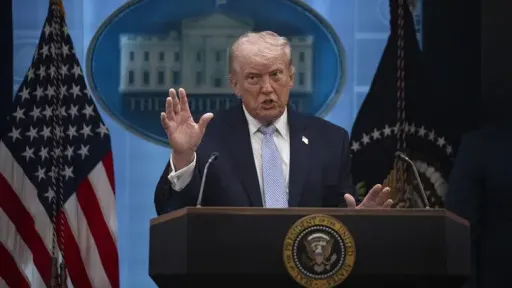
The Islamabad Memorandum, announced on June 14 and formally signed by Iranian President Masoud Pezeshkian and U.S. President Donald Trump on June 18, includes provisions aimed at ending hostilities, reopening the Strait of Hormuz and easing economic restrictions on Iran.
Iran welcomes diplomatic progress
Iranian Foreign Minister Abbas Araghchi welcomed the outcome of the talks, praising the mediation efforts of Pakistan and Qatar.
"Tireless Pakistani and Qatari mediation has delivered major progress to end the Lebanon war," Araghchi wrote on social media, highlighting reported steps including sanctions relief, the release of some frozen assets and plans for reconstruction and economic development.
He described the newly established Lebanon deconfliction mechanism as the "first real test" of the emerging diplomatic framework.
Qatar and Pakistan said they would continue efforts to maintain a constructive atmosphere in the negotiations and expressed appreciation to both Washington and Tehran for their commitment to a peaceful resolution through diplomacy.
Source:AA