Trump threatens Iran with annihilation

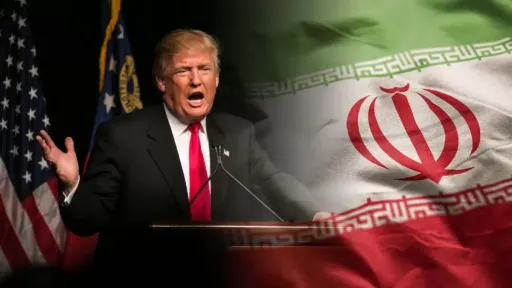
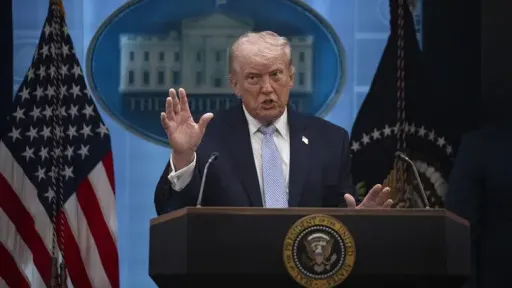
US President Donald Trump warned Iran that it could face further military action and what he described as “annihilation” if Tehran fails to reach an agreement with Washington, while saying he expects negotiations to resume after the November midterm elections.
Addressing the 81st UN General Assembly, Trump presented Iran with what he described as a choice between reaching a deal that would allow the country to rebuild and facing further US military action.
“I believe we’ll make a deal right after the election,” Trump said, arguing that Iranian officials were waiting to see the outcome of the Nov. 3 US midterm elections.
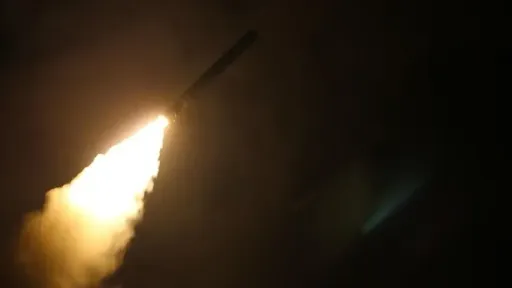
Trump also defended the US-Israeli military campaign against Iran, saying the strikes had prevented Tehran from obtaining a nuclear weapon. Iran has consistently denied seeking nuclear weapons and maintains that its nuclear program is peaceful.
War enters seventh month
The conflict, which began on Feb. 28 with US and Israeli attacks on Iran, has continued into its seventh month despite repeated statements from Trump that the fighting could soon end.
Iran has responded with attacks on Israel and Gulf states hosting US military bases, while negotiations to end the conflict have repeatedly stalled.
The war has also disrupted regional energy infrastructure and shipping. Traffic through the Strait of Hormuz has fallen sharply, while advances by Iran-aligned Houthi forces in Yemen have increased the threat to shipping around the Bab el-Mandeb Strait.
Oil prices have remained above $100 a barrel amid concerns over regional supply and transport disruptions, adding pressure on the US administration ahead of the midterm elections.
Nuclear program remains central dispute
Trump again cited Iran's nuclear program as a key justification for military action and said the US strikes had severely damaged Tehran's nuclear capabilities.
Iran has rejected accusations that it is seeking nuclear weapons, while the extent of the damage caused by the US and Israeli attacks remains a subject of international debate.
The Trump administration has also intensified sanctions and economic pressure on Tehran in an effort to force concessions.
A UN fact-finding mission has separately raised allegations concerning the conduct of the conflict, including claims that US strikes on Iranian targets in February may have constituted war crimes. The mission also accused Iranian authorities of crimes against humanity during a crackdown on anti-government protests. The allegations are contested and are subject to further international scrutiny.
Houthis widen regional pressure
The advance of the Iran-aligned Houthis in Yemen has created a second threat to a major international shipping route.
Saudi Arabia has sought increased US military support as Houthi forces have attacked Saudi cities and energy infrastructure. Washington has so far emphasized intelligence and targeting assistance rather than direct US strikes.
The situation has created a difficult choice for the Trump administration: expanding US military involvement in Yemen could further stretch American forces, while allowing the Houthis to strengthen their position around the Bab el-Mandeb could give Iran-aligned forces greater influence over global shipping.
US officials have also held contacts with Houthi representatives in Oman as Washington seeks to contain the escalation.
Trump praises Erdogan at Gulf meeting

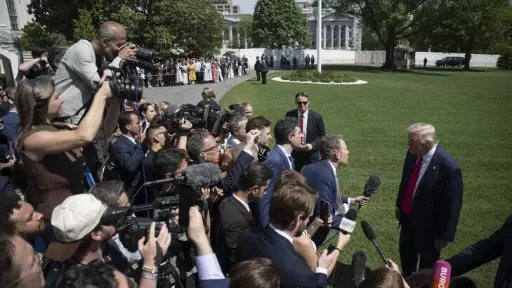
During a separate meeting with Middle Eastern leaders in New York, Trump praised Turkish President Recep Tayyip Erdogan, describing him as a “tough cookie” and saying he was not someone to “mess around with.”
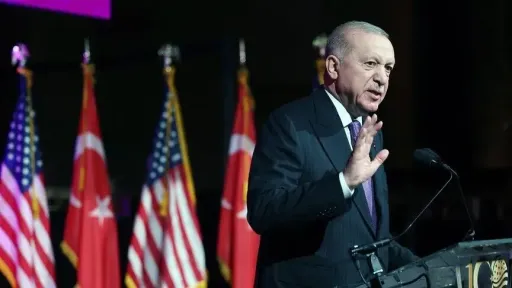
The meeting brought together leaders and representatives from Türkiye and several Arab countries, including Iraq, Jordan, Qatar, Syria, Lebanon and Egypt, amid wider diplomatic efforts to address tensions in the Gulf and the broader Middle East.
Speaking to reporters afterward, Erdogan said the participating countries were working to overcome the difficulties facing the region and expressed hope that the diplomatic efforts would produce results.
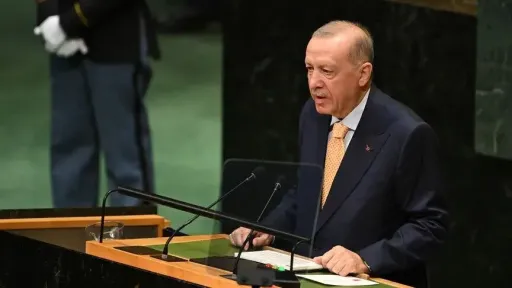
The talks came after Erdogan addressed the UN General Assembly and held a series of bilateral and multilateral meetings with world leaders.
Gulf states caught between conflict and security concerns
The prolonged war has increased pressure on Gulf states that depend on US security guarantees while also seeking to avoid becoming directly involved in the conflict.
The disruption of the Strait of Hormuz has increased the importance of alternative energy and shipping routes, while the Houthi advance has raised concerns about the security of the Red Sea corridor.
The crisis has also tested relations between Washington and European and Asian allies, several of which have resisted calls for greater involvement in the conflict.
The humanitarian situation in Yemen has meanwhile deteriorated, with the UN reporting large-scale displacement caused by renewed fighting.
Trump seeks path toward negotiations
Trump has continued to combine military pressure with calls for a diplomatic settlement, saying Iran has an opportunity to reach an agreement with Washington.
Iranian President Masoud Pezeshkian and Foreign Minister Abbas Araqchi are expected to attend the UN gathering despite the ongoing conflict, providing another opportunity for diplomatic contacts.
With the war now in its seventh month, the Trump administration faces competing pressures to maintain military leverage over Iran, protect Gulf allies and shipping routes, contain the Houthi threat and find a path toward negotiations.
Source:DailySabah