Nepal flood death toll rises as rescue teams find survivors
The death toll from catastrophic flash floods and mudslides along the Nepal-China border has surpassed 1,300, while thousands remain missing as rescue teams continue searching through buried homes, damaged hydropower tunnels and isolated mountain communities.
The disaster began Aug. 26 when a massive ice and rock collapse on the northern flank of Mount Langtang Lirung triggered a torrent of mud, rock, ice and water through valleys on both sides of the border.
Nepal has reported more than 1,340 deaths, while Chinese authorities have also reported dozens of fatalities in the Tibet Autonomous Region. Combined figures have put the overall death toll at more than 1,300, with more than 5,500 people still unaccounted for.
The figures have continued to change as rescuers recover bodies from remote areas and authorities reconcile reports from communities cut off by the disaster.
Survivors found after 10 days
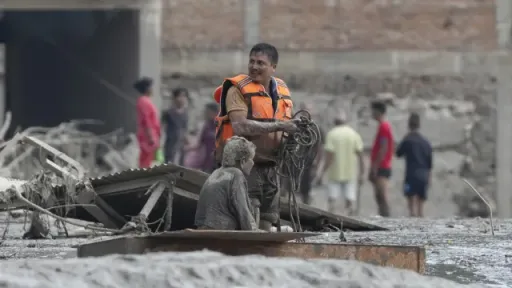
Despite the scale of the destruction, rescue teams have continued to find people alive more than a week after the floods struck.
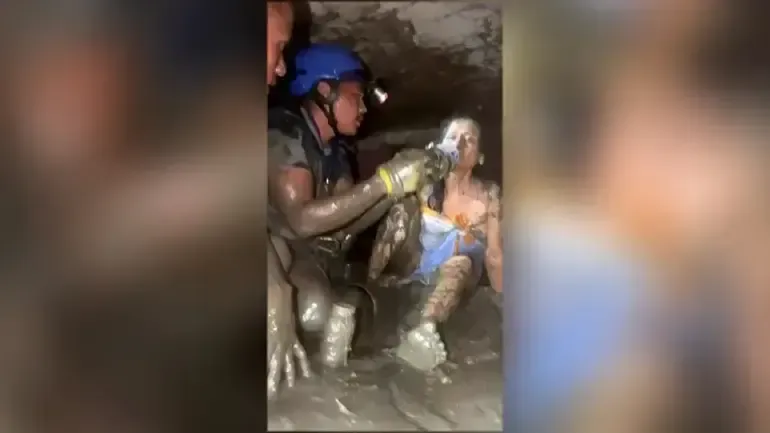
A 64-year-old woman, Chandrika Shrestha, was rescued from the remains of her four-story home in Betrawati after spending about 10 days trapped beneath mud and debris.
Police officers searching the area heard a faint voice calling for help. Rescuers spent about 45 minutes reaching Shrestha, who was found alive inside a confined space in the collapsed building.
Her family had already begun mourning her, believing she had been killed in the disaster.
She was taken to an army hospital in Kathmandu for treatment.
A Chinese national was also rescued from a tunnel at the Upper Trishuli-1 Hydropower Project in Rasuwa district. Soldiers advanced about 225 meters into the damaged tunnel before reaching the man, identified as Luhaitao.
The rescue came a day after two Nepali workers were pulled alive from a tunnel at the Upper Trishuli 3A Hydropower Station.
Hundreds may remain trapped
Rescue teams believe hundreds of people could still be trapped in tunnel systems connected to hydropower projects along the Trishuli River.
Authorities estimate that more than 900 people were inside tunnels at several facilities when the flood and debris surge struck.
At least 12 hydropower projects were affected, with some tunnels buried or blocked by enormous quantities of mud and rock.
Rescuers have been working in difficult conditions, facing unstable terrain, continuing rainfall, damaged roads and the risk of further flooding from debris dams.
“Search and rescue is going on at the tunnels despite geography, adverse weather and lack of connectivity,” Energy Minister Biraj Bhakta Shrestha said.
Entire communities devastated
The collapse unleashed an avalanche that rapidly transformed into a huge debris flow, temporarily blocking rivers and creating unstable natural dams and lakes.
When those barriers breached or overflowed, floodwaters and debris surged downstream into Nepal’s river systems.
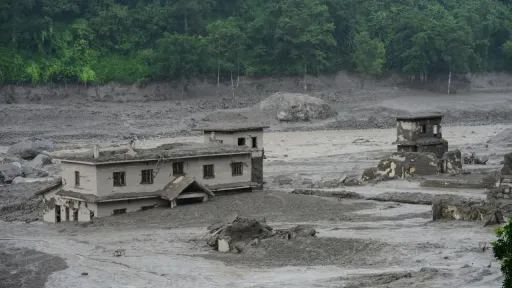
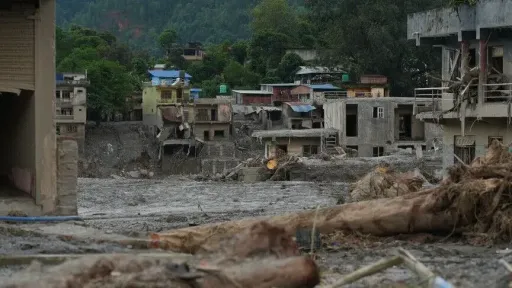
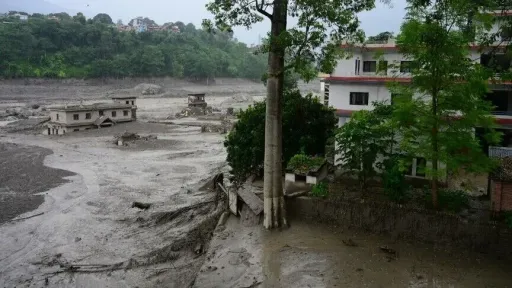
The disaster devastated parts of Rasuwa, Nuwakot, Dhading and Kavre districts, as well as communities in and around the Kathmandu Valley.
Homes, schools, roads and bridges were destroyed or buried. Several hydropower facilities along the Trishuli and Bhote Koshi river corridors suffered extensive damage.
The force of the flood also carried bodies and debris far downstream. Some remains were recovered hundreds of kilometers from the worst-hit areas, complicating identification.
Police have collected DNA samples from unidentified bodies in an effort to reunite victims with their families.
Humanitarian crisis deepens
More than 90,000 people have been affected by the disaster, according to early humanitarian assessments.
The destruction of roads, bridges, electricity networks and other infrastructure has made it difficult to reach isolated communities and deliver aid.
The United Nations has launched a $50 million appeal to assist more than 84,000 people affected by the disaster.
Nepali officials have warned that rebuilding damaged infrastructure and restoring livelihoods could cost billions of dollars.
The disaster has also caused extensive damage around the Gyirong border crossing in Tibet, an important trade and transit route between Nepal and China.
Climate risks under scrutiny
Scientists are examining the precise causes of the mountain collapse, while warning that the disaster demonstrates the growing vulnerability of communities in the rapidly warming Himalayas.
Rising temperatures are contributing to glacier retreat and changes in high-altitude environments, potentially increasing instability on steep slopes.
The disaster illustrates how hazards can cascade in mountainous regions, with an ice and rock collapse triggering a debris flow, blocking rivers and producing devastating floods far downstream.
Search continues
As rescue operations continue, hopes of finding additional survivors are fading but have not disappeared.
Crews remain focused on hydropower tunnels, collapsed buildings and areas where pockets of air could still shelter survivors.
The rescue of Shrestha and the hydropower workers has provided a rare moment of hope amid one of the region’s deadliest recent natural disasters.
For families still waiting for news of missing relatives, however, the search remains a race against time.
Source:DailySabah