ICC faces growing pressure as legal experts warn of unprecedented crisis

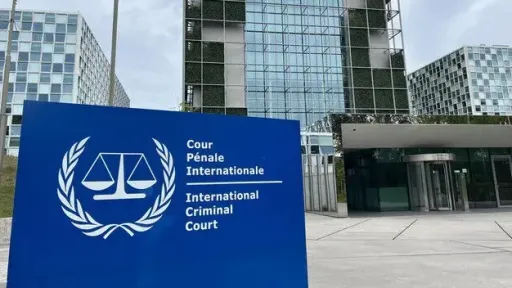
The International Criminal Court (ICC) is facing one of the most serious crises in its 24-year history, legal experts have warned, citing mounting political pressure and US sanctions that they say threaten the court's independence and ability to operate.
Marking International Justice Day on July 17, experts said the institution created under the Rome Statute to prosecute genocide, crimes against humanity, war crimes and the crime of aggression is under increasing strain following the Trump administration's campaign against the court.
The US has announced plans for additional sanctions, visa restrictions and diplomatic measures, arguing the ICC threatens American sovereignty by claiming jurisdiction over US citizens despite Washington never joining the Rome Statute.
Experts reject US arguments
International law experts argued that the ICC can prosecute citizens of non-member states only when alleged crimes are committed on the territory of states that have accepted the court's jurisdiction.
Former ICC prosecutor Alex Whiting described the US campaign as unfounded and contrary to American interests, saying the court remains the only permanent international tribunal tasked with prosecuting the world's gravest crimes.
Legal scholar Marco Longobardo also warned that efforts to weaken the ICC amount to an attack on its 125 member states and the international justice system they support.
Gaza warrants seen as turning point
Several experts linked the current confrontation to the ICC's decision in November 2024 to issue arrest warrants for Israeli Prime Minister Benjamin Netanyahu and former Defence Minister Yoav Gallant over alleged war crimes in Gaza.
Veteran war crimes prosecutor Reed Brody described the move as a watershed moment in international justice, arguing that the court came under unprecedented pressure after pursuing cases involving leaders of a close US ally.
He said sanctions imposed on ICC judges and Chief Prosecutor Karim Khan, including asset freezes and travel bans, have significantly hampered the court's work.
Calls for stronger backing
Legal experts urged ICC member states to do more to protect the court, including adopting legislation to shield individuals and organisations from the impact of foreign sanctions.
Despite the growing pressure, experts expressed confidence that the ICC would continue operating, stressing that it remains a cornerstone of international criminal justice and retains the support of its member states.
Source:AA