Rhodope records 39 fewer births in one year as demographic decline accelerates

Rhodope recorded 39 fewer births during the first eight months of 2026 compared with the same period in 2025, prompting renewed warnings over the accelerating demographic decline in Thrace.
According to comparative figures for January–August 2025 and 2026 published by Greece's Ministry of Interior, Rhodope registered 224 births in the first eight months of 2026, down from 263 during the same period a year earlier. The decline of 14.8% was the sharpest among the regional units of Eastern Macedonia and Thrace.
Meriç (Evros) also recorded a significant decrease, with births falling from 545 to 489, a decline of 10.3%.
By comparison, İskeçe (Xanthi) recorded an increase of 10%, from 441 births in 2025 to 485 in 2026, while Kavala-Thasos rose by 2.9%, from 524 to 539. Drama recorded a marginal decline of 1.1%, from 273 to 270.
Across Eastern Macedonia and Thrace, the total number of births fell by 1.9%, from 2,046 to 2,007. The comparatively modest regional decline was largely offset by the increase recorded in İskeçe.
Rhodope sees sharpest decline
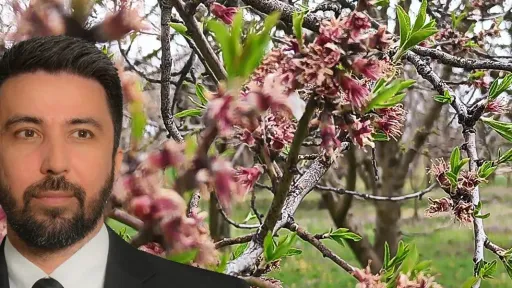
According to the figures highlighted by Giorgos Karakostidis, the 14.8% decline in Rhodope means that almost one in seven births recorded a year earlier was lost within just 12 months.
The situation in Meriç is also significant, with more than one in 10 births disappearing compared with the first eight months of 2025.
Karakostidis warned that the figures should not be viewed as an isolated development, arguing that they are part of a longer-term demographic trend affecting Thrace.
He pointed to the shrinking young population, population ageing, the departure of people of working age and the weakening of local communities as developments that have been identified in demographic, social and economic analyses in recent years.
Calls for immediate demographic action
Karakostidis argued that the latest figures should prompt concrete action rather than another general acknowledgment of Greece's demographic crisis.
He noted that Rhodope is already facing a highly unfavorable balance between births and deaths, with the ratio reportedly remaining between 4 and 4.5 deaths for every birth in recent years.
A combination of fewer births, significantly more deaths, an ageing population and the loss of people of working age, he warned, is already shaping the region's future.
Karakostidis said solutions are available and argued that some proposed measures could create conditions for retaining the existing population and attracting younger residents in the relatively short term.
He pointed in particular to proposals included in the "Roadmap" for addressing Thrace's demographic crisis, which have previously been presented and discussed.
Questions for the government
The issue has gained additional attention amid the presence of a government delegation in Rhodope and Meriç in recent days.
Karakostidis called for the government to provide specific answers on what measures have been decided for the two regional units and when they will be implemented.
He argued that official visits and expressions of concern will not be sufficient to reverse the trend without concrete decisions, a timetable and implementation.
"The warnings have been given. The data were known. The proposals have been submitted. What is still missing is decisive political action," Karakostidis said in his assessment.
The latest figures underline the scale of the demographic challenge facing Thrace, with Rhodope and Meriç experiencing particularly sharp declines in births. The data add urgency to calls for targeted policies aimed at population retention, attracting younger residents and strengthening the region's long-term social and economic sustainability.