Özgür Ferhat calls for vaccination review to combat sheep and goat pox

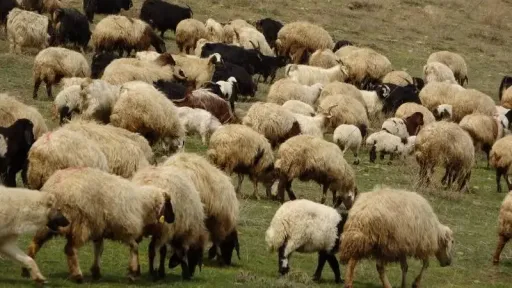
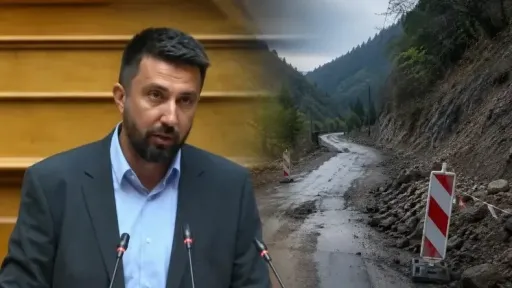
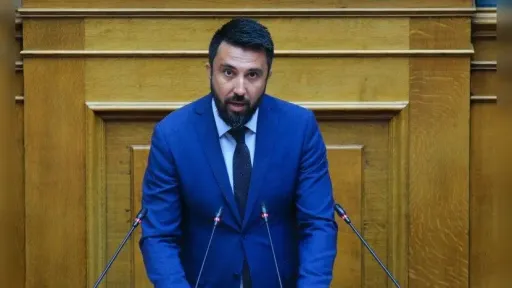
Rhodope MP Özgür Ferhat has called on Greece’s Ministry of Rural Development and Food to reconsider its policy of mass culling to control sheep and goat pox, urging authorities to assess the possibility of an emergency vaccination programme.
In a written parliamentary question to the minister, Ferhat raised concerns about the spread of the disease, the culling of thousands of animals and the resulting economic losses for livestock farmers. He called for a reassessment of current control measures and requested clarification on whether vaccination could be introduced if the necessary scientific and institutional conditions were met.
CALL TO ASSESS VACCINATION OPTIONS
Ferhat urged the government to examine disease-control approaches used in other European countries, including Romania, and assess available options to limit the spread of the disease while protecting livestock populations.
He also asked the ministry to clarify what support could be obtained from the European Union to help address the outbreak and protect affected producers.
FARMERS SEEK STRONGER SUPPORT AND FAIR COMPENSATION
Emphasising the need for a comprehensive strategy to protect the livestock sector, Ferhat called for stronger biosecurity measures, adequate veterinary support and full, fair compensation for affected farmers, paid without delay.
His parliamentary question also addressed the interpretation of serological test results. Ferhat argued that the presence of antibodies should be assessed through scientific evidence and appropriate investigations, rather than automatically being treated as proof of illegal vaccination or active infection.
CONCERNS OVER LIVESTOCK AND DAIRY PRODUCTION
Ferhat warned that continuing the current situation could threaten the viability of livestock farms, farmers’ incomes and Greece’s milk and dairy production.
He called on the government to provide concrete answers and implement effective measures to protect livestock farmers in Rhodope and across the country, safeguard animal populations and support the long-term future of the sector.