€300,000 project launched to tackle cross-border livestock disease risks

The project, titled “Addressing Cross-Border Threats to Livestock: Risk Points for Disease Entry and Spread in the Eastern Macedonia and Thrace Region,” is being carried out by the Veterinary Research Institute of ELGO-DIMITRA in cooperation with the Eastern Macedonia and Thrace Region.
The official launch took place on September 28 at the Centre for Exotic Diseases in Orestiada, in Meriç (Evros), with the participation of Deputy Minister of Rural Development and Food Athanasios Kavvadas, Regional Governor Christodoulos Topsidis and ELGO-DIMITRA President Spyridon Mamalis. The project has a total budget of €300,000, with €200,000 provided by the Eastern Macedonia and Thrace Region and €100,000 from the Ministry of Rural Development and Food’s Agriculture and Livestock Fund.
DISEASE RISKS TO BE MAPPED AND MONITORED
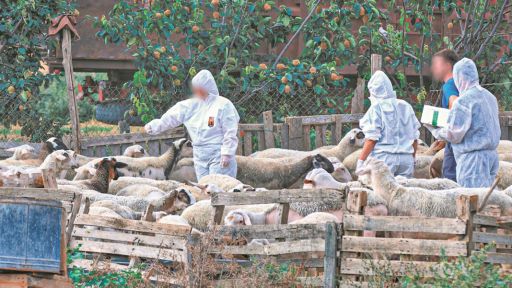
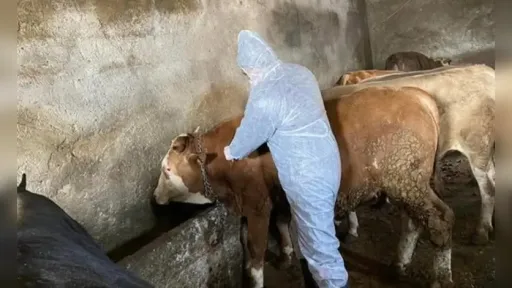
Under the project, researchers will identify potential points through which animal diseases could enter and spread across the region. Samples will be collected from livestock farms and slaughterhouses and subjected to laboratory analysis.
The research will also examine the role of wildlife and arthropods in carrying and transmitting disease agents. The programme will include information and training activities for veterinarians, livestock farmers and relevant institutions, with the aim of improving prevention, surveillance and early response.
The scientific responsibility for the project has been assigned to Dr Smaragda Sotiraki of the ELGO-DIMITRA Veterinary Research Institute.
BORDER LOCATION DRIVES FOCUS ON EARLY DETECTION
Topsidis said animal diseases do not stop at national borders and stressed the importance of taking preventive measures before a crisis emerges.
He also pointed to the region’s extensive land borders with Türkiye and Bulgaria as a factor increasing the importance of monitoring and early identification of potential disease risks.
“Science must reach the livestock farm. Knowledge must reach the producer. Data must be turned into prevention and early intervention,” Topsidis said, according to the project’s presentation.
The initiative comes as authorities seek to strengthen surveillance of animal diseases in a region where cross-border movement of animals, products and people can create potential routes for the introduction and spread of disease.
Before the project launch, Topsidis and Kavvadas also held meetings in Meriç, including visits to the Kipi border crossing, the Dedeağaç Agricultural Cooperative Union and production facilities in the area, where they met farmers and livestock producers.