Eastern EU border regions push new alliance ahead of post-2027 cohesion policy debate
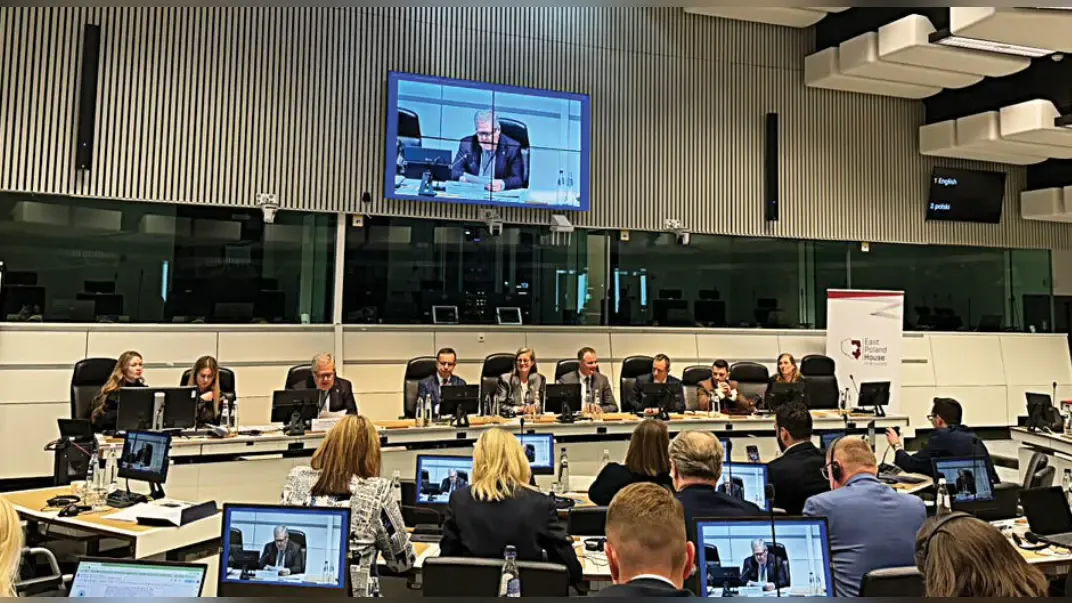
The Region of Eastern Macedonia and Thrace has taken a leading role in launching a new alliance of regions along the eastern borders of the European Union, aiming to influence future European policy frameworks ahead of the bloc’s next budget cycle.
The initiative was presented during a high-level conference hosted by East Poland House at the European Committee of the Regions in Brussels, under the theme “Cohesion Policy after 2027: A New Approach to Regional Development.”
The event brought together senior EU officials and regional leaders, including Raffaele Fitto, Executive Vice-President of the European Commission for Cohesion and Reforms, and Kata Tüttő, alongside representatives from Poland, Finland, Romania, Slovakia, and other eastern EU regions.
Strategic Alliance for Eastern Border Regions
The emerging alliance—spearheaded by Regional Governor Christodoulos Topsidis—aims to establish a unified platform for addressing shared geopolitical, economic, and infrastructural challenges faced by eastern frontier regions.
“The initiative reflects a strong commitment to tackling common challenges and strengthening cooperation among eastern border regions,” representatives said during the conference.
A joint position paper—initially signed by Deputy Regional Governor Theodoros Markopoulos and subsequently endorsed by partner regions—marks a critical step toward formalizing the alliance.
Key Policy Demands Ahead of the EU Budget Cycle
The document outlines a revised policy agenda tied closely to negotiations over the EU’s upcoming Multiannual Financial Framework, emphasizing:
- Formal recognition of eastern border regions within EU policy architecture
- Targeted financial instruments reflecting their unique security and economic burdens
- Greater flexibility in state aid rules and higher funding intensity
- Increased investment in infrastructure, connectivity, and military mobility
- Tailored support for SMEs, local economies, and labor markets
Geostrategic Importance and Connectivity
A central theme of the initiative is connectivity—both within the EU and with neighboring and candidate countries.
Regions such as Eastern Macedonia and Thrace are seen as critical corridors linking the Black Sea and the Aegean, underscoring their strategic importance for both economic integration and European security.
“Investing in these connections ensures not only regional development but also the cohesion and continuity of the European project itself,” participants noted.
Regional Cooperation Gains Momentum
Officials from the Greek region also acknowledged the role of Polish partners, particularly eastern Polish regions coordinated through East Poland House, in elevating shared concerns to the European level.
The alliance initiative is expected to gain further traction as EU institutions intensify discussions on cohesion policy reform and long-term budget priorities in the coming months.