Drowning incidents in Greece: A silent crisis in a seaside nation

Despite its extensive coastline, rich aquatic environment, and world-renowned islands, Greece faces a persistent and deadly problem each year—drownings. While swimming and water sports are seen as safe recreational activities, they continue to claim lives, particularly among the elderly.
According to official data from the Safe Water Sports Accident Observatory, compiled in collaboration with the Ministry of Shipping, the Hellenic Coast Guard, and the Greek Police, a total of 395 deaths were recorded in Greece’s aquatic environments in 2024. Of these, 388 occurred at sea, with the remaining seven in lakes, rivers, or swimming pools. While this marks a slight drop of 10 deaths compared to 2023, the numbers remain alarming.
23% Decrease in Drownings in 2025
For the first half of 2025, there has been a 23% reduction in fatal sea accidents compared to the same period in 2024, with 91 deaths recorded. Among them, 71 were individuals over the age of 60, and 60 were men. Lifeguard coverage for 2025 currently stands at 88%, slightly lower than the 93% coverage in 2024, which had already improved by 2% from the previous year.
Elderly at Highest Risk
Data show that 83% of drowning victims in 2025 were over 60 years old, and 68% were men, highlighting older adults as the most vulnerable group. Factors such as reduced physical capacity and lack of awareness about water hazards are believed to contribute to this trend.
Two tragic incidents involved children, while 14 injuries were reported in sea sports accidents, six of which involved minors.
Experts Call for Better Prevention
Dr. Panagiotis Paschalakis, founder and president of Safe Water Sports, emphasized the importance of prevention and early education:
"Prevention is key to improving safety in aquatic environments. Awareness, education, and collaboration among stakeholders are essential and have already shown results through reduced accident rates.”
In response to the data, a targeted awareness campaign has been launched in collaboration with the Ministry of Shipping and Island Policy, the Coast Guard, the Ministry of Health, and the National Public Health Organization (EODY). The initiative focuses on providing guidance for older age groups and fostering a culture of responsible behavior around water.
Lifeguard Shortages Due to Bureaucratic Delays
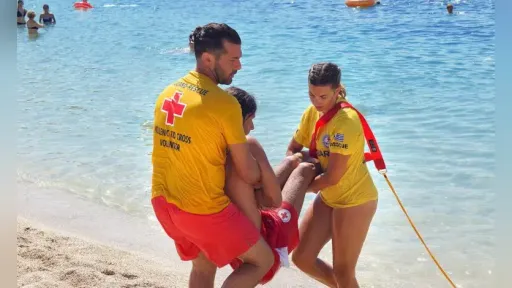
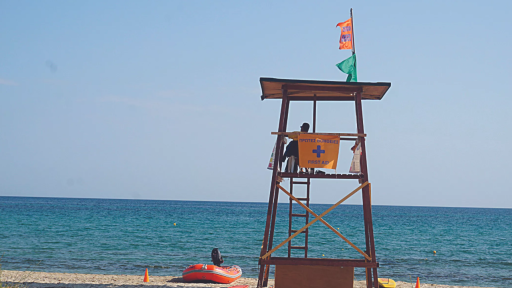
Nikolaos Giovanidis, Director of the Greek Lifeguard Academy (EKAN), highlighted that delays in municipal tenders prevent adequate lifeguard presence on beaches from June 1st, when the summer season typically begins.
“Tenders should be completed by October of the previous year to avoid issues such as housing shortages for lifeguards. Due to late announcements, it's often impossible to form organized teams or arrange contracts in time,” Giovanidis stated.
He also noted the excessive bureaucracy and complexity in certifying new lifeguards, further hampering efforts to ensure safety across Greek shores.
As Greece continues to welcome millions of tourists each summer, experts stress that proactive safety measures and long-term planning are essential to prevent this silent crisis from claiming more lives.
Source: APE-MPE