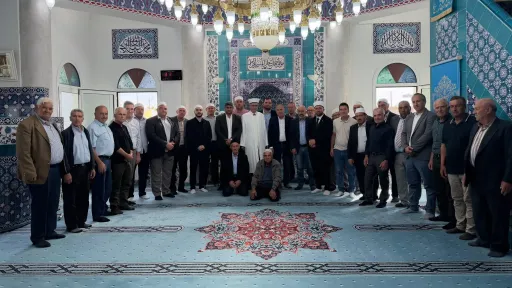
Defendants in İskeçe Çınar Mosque Case issue joint statement following court decision
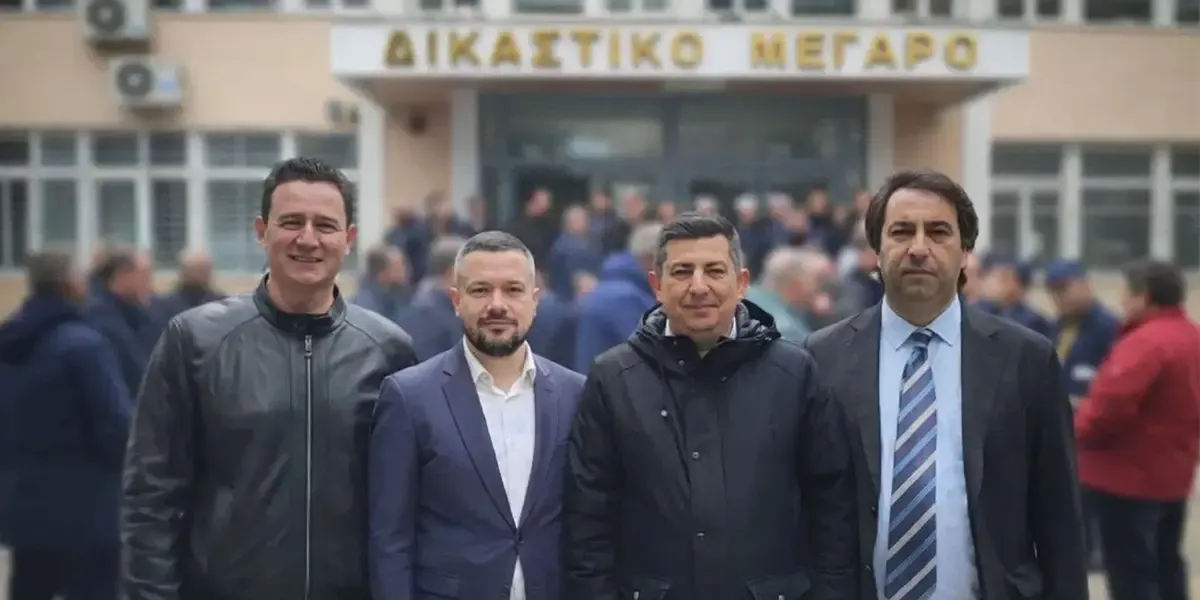
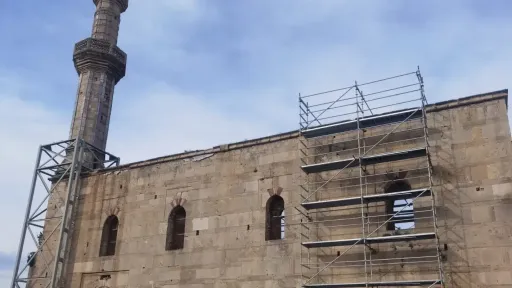
Four defendants in the case related to the events at Çınar Mosque in İskeçe on 11 October 2024 have issued a joint statement following the court hearing held on 18 June 2026.
Hüseyin Baltacı, Ozan Ahmetoğlu, Bahri Belço and Murat Köse, who were tried over the incident, said the court imposed prison sentences of 17 months each, which were converted into financial penalties. The defendants expressed gratitude to institutions and individuals who supported them throughout the legal process, including the Western Thrace Turkish Minority Advisory Board, minority organizations, political figures, local authorities, journalists, lawyers and members of the community.
In their statement, the defendants argued that the strong sense of solidarity demonstrated during the proceedings showed that the case was not limited to the prosecution of four individuals, but was directly linked to what they described as the religious freedoms, institutional rights and democratic claims of the Turkish minority in Western Thrace.
They further stated that the events at Çınar Mosque should not be seen as an isolated incident, but rather as a reflection of accumulated grievances related to the long-standing unresolved issue of the muftiate in Western Thrace. According to the defendants, this context reflects the community’s effort to assert its own institutional will.
The defendants denied any use of insults, violence or coercion during the incident, stating that their actions were limited to democratic and peaceful expressions of protest. They said they regretted the conviction, but maintained that they represented a sentiment widely shared within the Turkish minority community.
They also confirmed that they will exercise all legal rights available to them and appeal the decision before a higher court, stressing that the legal process will continue.
The statement further expressed hope that the case would contribute to a more sincere and comprehensive discussion of the long-standing issues surrounding the muftiate in Western Thrace. The defendants emphasized that any lasting solution must be based on respect for community will, religious freedom and democratic principles.