Stem cell transplant bridges two nations, saving the life of a young patient

After no suitable donor was found in Türkiye, Ankara University's (AU) Medical Faculty Non-Relative Tissue Bank (TRAN) located a compatible donor in Greece, giving the boy a second chance at life.
The transplant, performed two years ago by the Pediatric Immunology and Allergy Department of AU Medical Faculty, has restored the health of the now 4-year-old child. On October 14, the young patient and his donor will meet for the first time at a special awareness event in Athens.
The child was born with chronic granulomatous disease (CGD), a rare inherited immune system disorder, which led to severe infections. He was transferred to Ankara’s İbni Sina Hospital from Bursa by air ambulance before his second birthday. Desperate for a stem cell transplant to survive, doctors launched a search for a compatible donor, but no match was found within Türkiye or among the boy’s relatives.
TRAN stepped in to search for a match globally, and a Greek donor was identified as compatible. The stem cells were successfully transplanted, and the child has since regained his health.
“We Found a Suitable Donor in Just One Day”
Professor Selami Koçak Toprak, head of the Hematology Department at AU Medical Faculty and the person in charge of TRAN, shared the details of the case. "During the height of the COVID-19 pandemic, this child was admitted to our pediatric unit. When we couldn’t find a suitable donor in Türkiye, we searched the global database. Within one day, we identified a matching donor. Two months later, the transplant was completed, and the child is now in good health and under follow-up care."
Patient and Donor to Meet in Greece
Professor Toprak highlighted the significance of the Greek donor’s contribution: “According to international regulations, the patient and donor can meet only 1-2 years after the transplant. Now, two years after the procedure, the Greek donor has requested to meet the recipient. The child’s family is thrilled, and the TRAN team has been invited to this meeting. On October 14, in Athens, we will have a ‘patient-donor meeting,’ with the child, his family, our team, and Greek government officials in attendance. We are excitedly looking forward to this reunion.”
The Role of Global Databases in Saving Lives
Toprak emphasized the importance of global volunteer stem cell databases: “We can access the data of volunteers from all over the world with a single keystroke. If a match is found and the donor agrees to proceed, and their health checks align, we coordinate the collection of stem cells in their home country. The donor doesn’t need to travel. The cells are sent to us by air, and we perform the transplant here.”
TRAN’s Milestone in Saving Lives
Since its establishment in 2006 by Professor Meral Beksaç, TRAN has facilitated nearly 2,000 successful stem cell transplants. The organization helps find suitable donors for patients who cannot find a match through their family or the national TÜRKÖK database. TRAN has also been the first Turkish institution authorized to send stem cells and cord blood to international patients, including in the U.S. and Australia.
“Becoming a Stem Cell Donor Is a Sacred Duty”
Professor Toprak encouraged more individuals to join the donor registry: “Every healthy individual between 18 and 50 can become a stem cell donor through TÜRKÖK. Currently, our database has around 15,000 volunteers, and we are working to expand it. Donating stem cells is a sacred responsibility. While it may never be needed, it could save someone’s life. Donating stem cells does no harm to the donor."
Anonymity and Security in Donor Processes
Dr. Klara Dalva, head of AU’s Tissue Typing and Hematology Laboratories, explained that the process ensures donor anonymity. "Each donor is assigned a number, and their identity remains confidential. When a match is found, additional tests are conducted to confirm compatibility before proceeding with the transplant."
Dalva added that while some donors may reconsider their decision at the last moment, it is crucial for volunteers to remain committed when matched with a patient.
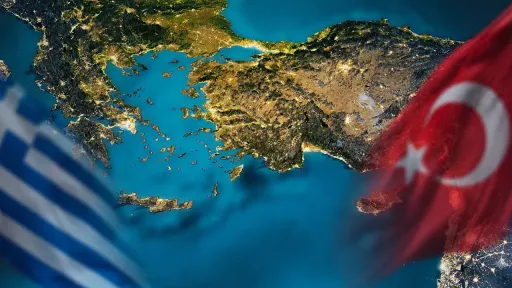
This life-saving partnership between Turkey and Greece underscores the importance of international cooperation in medicine, showcasing the power of human generosity and advanced medical science.