Sheep and goat pox: Nearly half a million animals culled since 2024

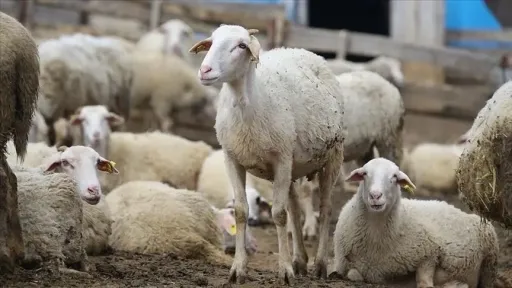
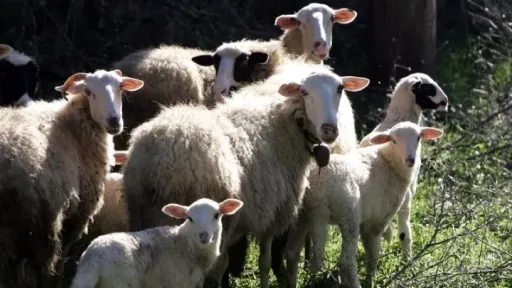
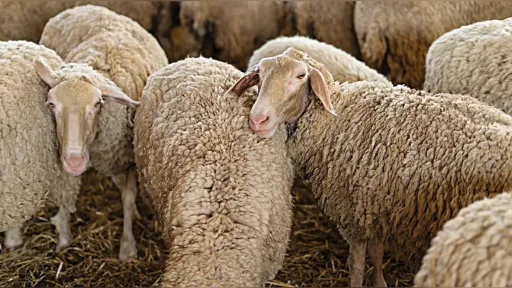
From August 2024 to early January 2026, the number of sheep and goats culled under mandatory animal health protocols to combat sheep and goat pox has approached 470,000, with new cullings continuing to be recorded on a regular basis.
Official Data Highlights
According to official figures:
- More than 2,040 confirmed cases of sheep and goat pox have been recorded
- The outbreaks have affected over 2,500 livestock farms across Greece
- The epidemic continues to trigger strict biosecurity measures, including the mandatory culling of entire infected herds to prevent further spread
Sheep and goat pox is a highly contagious viral disease affecting small ruminants, though it poses no risk to humans. Nevertheless, its containment requires rigorous sanitary and veterinary protocols.
Impact on the Livestock Sector
The extensive scale of culling has had serious consequences for animal husbandry and the agricultural supply chain:
- It has significantly affected the production of milk, yogurt, and cheese, including feta, a Protected Designation of Origin (PDO) product and a key pillar of Greece’s agri-food economy
- Livestock farmers and local markets are facing severe economic pressure due to the loss of animal capital
The ongoing epizootic has led to reinforced biosecurity measures, including restrictions on animal movement, strict slaughter protocols, and intensified laboratory testing
Authorities stress that continued vigilance and compliance with veterinary guidelines remain critical to controlling the disease.