Red Cross issues first-aid guidance as toxic pufferfish spreads in Greek waters
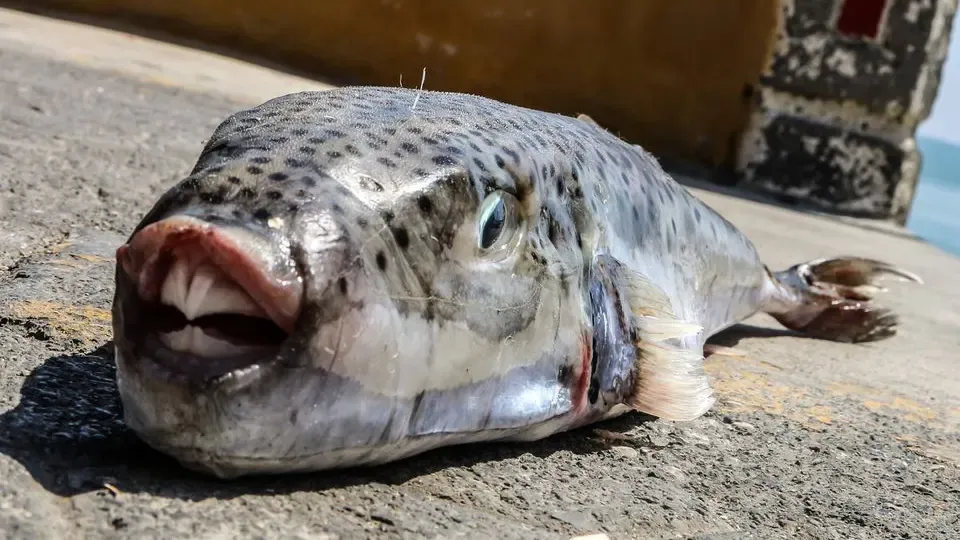
The Hellenic Red Cross has issued first-aid guidance for injuries caused by the silver-cheeked toadfish, or pufferfish (Lagocephalus sceleratus), as sightings of the invasive species continue to increase in Greek waters.
The organization warned that while the fish’s bite is not toxic, its powerful beak-like jaws can cause serious injuries and heavy bleeding.
Anyone bitten should immediately wash the wound thoroughly with clean running water and soap, apply firm pressure with a clean cloth or gauze to stop the bleeding, and keep the injured limb elevated if the bleeding is severe, the Red Cross said.
Medical attention should always be sought, as victims may require specialized care, a tetanus shot or stitches for deep wounds. In remote areas or cases of severe bleeding, authorities advise calling emergency services at 166 or 112 and providing first aid until help arrives.
The species, which migrated to the Mediterranean from the Indo-Pacific through the Suez Canal, was first detected in Greece in 2005 off Crete and the Dodecanese islands. It has since expanded its presence throughout Greek waters.
Scientists warn that the fish contains tetrodotoxin, a highly potent neurotoxin that can cause paralysis, respiratory failure and death if consumed. Because the toxin can be present throughout the fish, experts say no part of it should be considered safe to eat.
The invasive pufferfish has become a growing problem across the eastern Mediterranean, threatening marine ecosystems and fisheries. Its aggressive feeding behavior and powerful jaws can damage fishing nets and other equipment, adding to concerns among coastal communities.
Kathimerini