Missed-call scam targets phone users with expensive international numbers
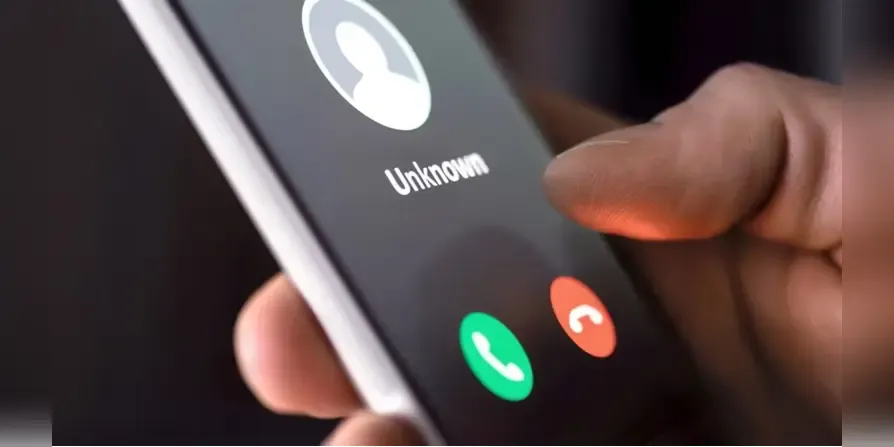
A familiar missed call from an unknown international number could leave unsuspecting phone users facing unexpectedly high charges, as scammers continue to use a tactic known as the “one-ring” or missed-call scam.
Unwanted calls are a common occurrence, particularly for advertising purposes, but some calls from unfamiliar numbers may be part of organised attempts to extract money from recipients.
How the missed-call scam works
In this type of scam, perpetrators place a call that rings only once before disconnecting. The brief call is designed to trigger curiosity and encourage the recipient to call the number back.
Returning the call can connect the user to a premium-rate service or another high-cost telephone line. In some cases, even briefly answering the call may result in charges. The resulting phone bill can reach unexpectedly high amounts, with part of the revenue potentially going to the scammers behind the operation.
International codes frequently associated with the scam
Consumers are advised to be particularly cautious when receiving unexplained calls from certain international prefixes that have been associated with missed-call scams.
These include:
Albania: +355
Côte d’Ivoire: +225
Ghana: +233
Nigeria: +234
Chad: +235
The appearance of one of these country codes does not by itself prove that a call is fraudulent, but an unexpected one-ring call from an unfamiliar international number should be treated with caution.
Experts advise against calling back
Consumers are advised not to return calls to unknown international numbers. If a caller is unfamiliar or the reason for the call is unclear, checking the number online can help identify its reported origin before taking any action.
The safest approach is simple: if you do not recognise an international number and it leaves only a brief missed call, do not call it back.