KKE criticizes Mitsotakis government over Israel ties and international law rhetoric
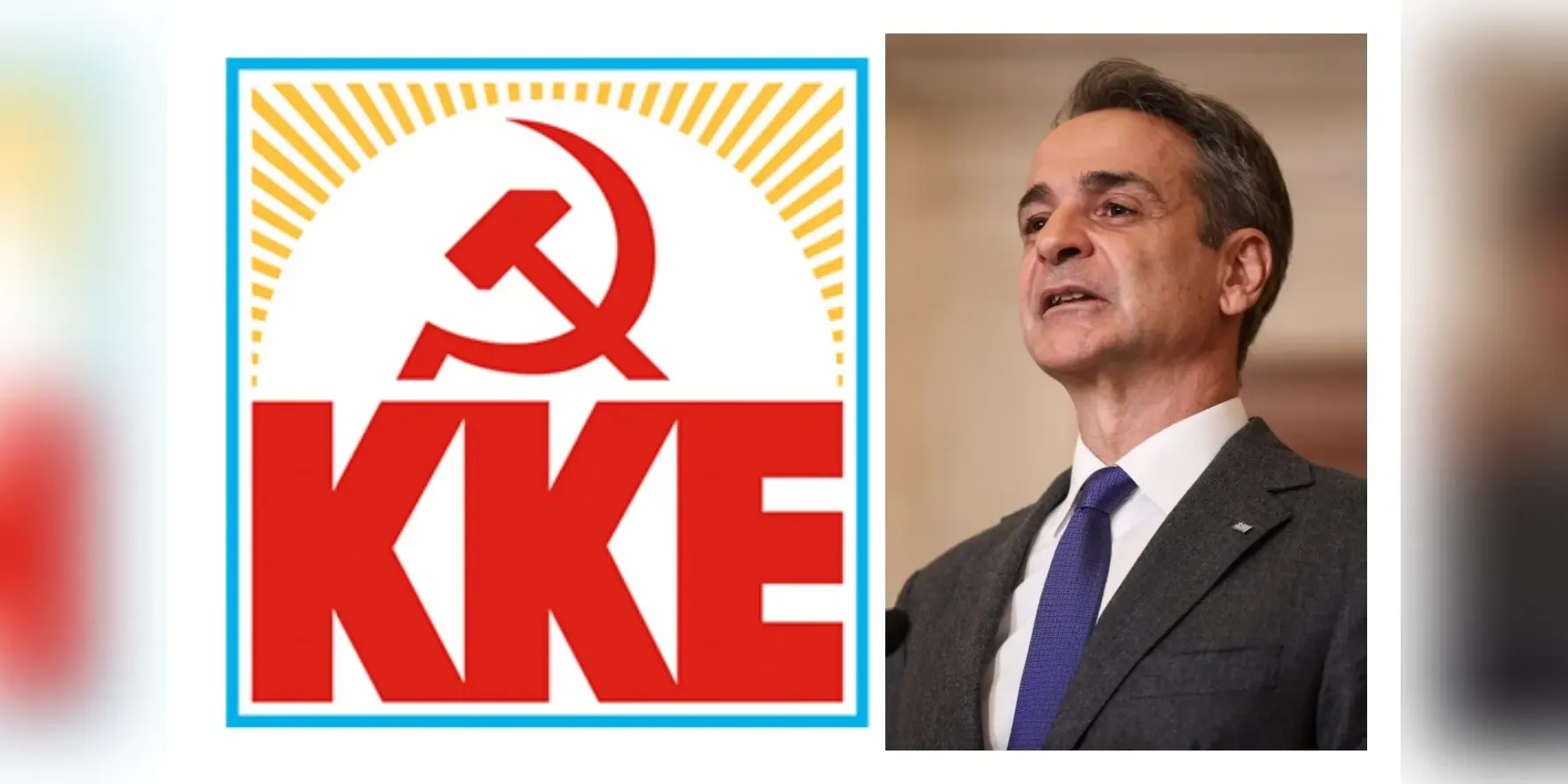
Greece’s opposition Communist Party of Greece (KKE) has criticized Prime Minister Kyriakos Mitsotakis over his references to international law and international legitimacy, arguing that the government’s foreign policy toward Israel and the United States is inconsistent with those principles.
The criticism followed Mitsotakis’ weekly review, in which he highlighted Greece’s commitment to international law, multilateralism and dialogue amid growing international tensions.
INTERNATIONAL LAW AT THE CENTER OF KKE CRITICISM
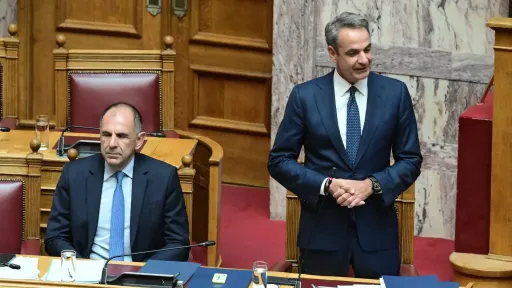
In his weekly review, Mitsotakis said that international rules and agreements were facing increasing pressure and that Greece would continue to adhere to international law, multilateralism and dialogue. He also emphasized the importance of maintaining open channels with Türkiye and resolving differences on the basis of international law and good-neighborly relations.
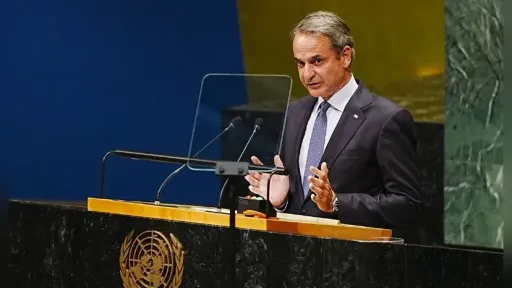
The Greek prime minister had made similar points during his address to the 81st United Nations General Assembly, where he described international law and multilateralism as central to Greece’s foreign-policy approach. He also said Greece had developed strategic partnerships with countries including Israel and called for the implementation of a two-state solution between Israel and Palestine.
KKE, however, disputed the government’s characterization of its foreign policy.
In a statement reported on September 27, the party said Mitsotakis’ references to international law and international legitimacy amounted to what it described as “empty words” and “mockery,” arguing that the government supports the United States and Israel and their foreign-policy actions.
GREECE MAINTAINS STRATEGIC TIES WITH ISRAEL
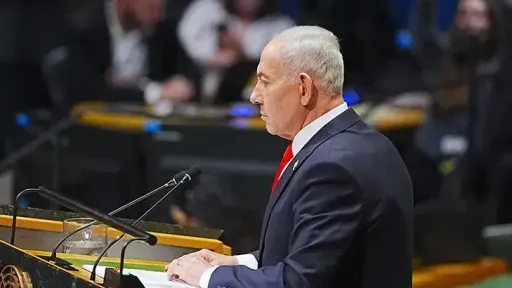
Mitsotakis met Israeli Prime Minister Benjamin Netanyahu in New York on September 24 on the sidelines of the UN General Assembly’s high-level week. According to the Greek prime minister’s office, the two leaders discussed bilateral relations, regional developments, defense cooperation and connectivity.
In his UN address the following day, Mitsotakis described Israel as one of the countries with which Greece has developed a strategic partnership. At the same time, he said developments in the West Bank were a matter of “deep concern” and argued that actions he described as contrary to international law should not continue. He reiterated Greece’s support for a two-state solution with Israel and Palestine living alongside each other in peace and security.
The dispute therefore centers on how Greece’s stated commitment to international law should be reconciled with its strategic relationship with Israel and the United States, an issue on which the government and KKE have sharply different positions.