Middle East tensions threaten European air traffic growth
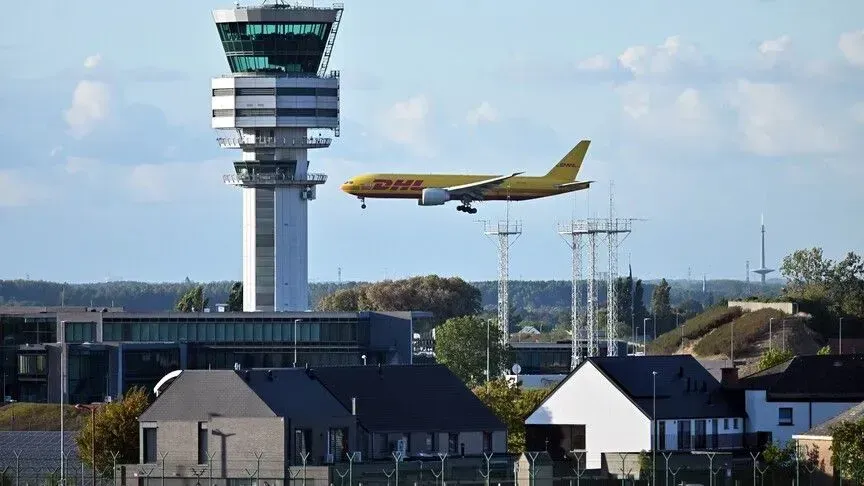
European air traffic growth is expected to slow significantly in 2026, with ongoing conflicts in the Middle East forecast to result in approximately 110,000 fewer flights than previously projected, according to the latest outlook from aviation agency Eurocontrol.
Despite strong passenger demand during the summer season, the European aviation sector has performed below initial growth expectations as geopolitical tensions, airspace restrictions and rising jet fuel prices disrupt operations.
The number of flights across the European Civil Aviation Conference (ECAC) region is now expected to increase by 1.7% this year to approximately 11.2 million, down from the previously forecast growth rate of 2.7%.
The downward revision represents a reduction of one percentage point in the agency's growth outlook.
Middle East instability affects aviation outlook
Eurocontrol said developments in the Middle East have forced airlines to adjust flight routes, while higher fuel prices have increased operating costs and affected the sector's growth prospects.
The organization expects European air traffic growth to regain momentum in 2027, forecasting a 3.2% increase to approximately 11.6 million flights.
However, uncertainty surrounding the geopolitical situation could also affect next year's projections.
Eurocontrol's baseline scenario assumes that conditions in the Middle East will stabilize by the end of the first quarter of 2027.
A more pessimistic scenario envisages tensions continuing until the end of the first quarter of 2028, with persistently high fuel prices and weaker economic growth limiting demand for air travel.
Türkiye and eastern Mediterranean could see stronger recovery
Despite the challenges facing European aviation, Eurocontrol expects the recovery to become more pronounced in certain parts of the region, particularly Türkiye and several eastern Mediterranean countries.
The organization forecasts average annual growth of 2.1% in European air traffic between 2026 and 2032.
The total number of flights across the region is expected to reach approximately 12.8 million by 2032.
While the medium-term outlook remains broadly unchanged, geopolitical developments could prevent traffic from reaching previously anticipated levels.
Delays and capacity constraints continue to affect operations
Eurocontrol's network management report recorded an average of 35,679 flights per day in European airspace during September, representing a 2.5% increase compared with the previous month.
September 4 was the busiest day, with 37,548 flights recorded across European airspace.
However, increased traffic also brought operational challenges. Total delays attributed to air traffic flow management exceeded 2.4 million minutes during the month.
Capacity limitations, adverse weather conditions and air traffic management problems continued to affect operational performance.
Eurocontrol said geopolitical developments, airspace restrictions, energy prices and passenger demand would remain key factors shaping the European aviation sector in the coming months.
Source:AA